
Alabama offers an incredible range of spots for metal detecting, whether you prefer searching the white sands of the Gulf Coast or sweeping inland fields for surface drops.
But if you want a successful—and stress-free—hunt, the first thing you need to know is where you can legally turn on your machine.
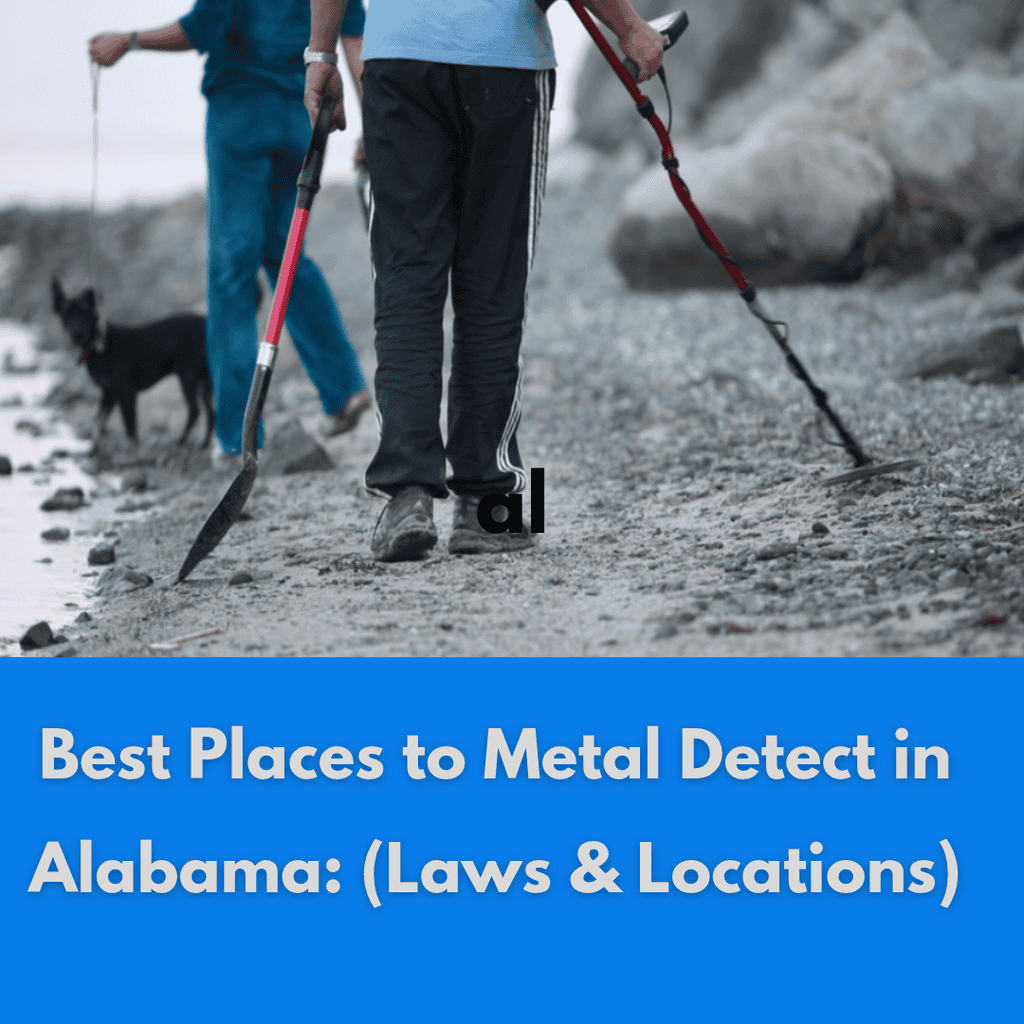
Rather than relying on blanket assumptions, legal detecting in Alabama requires matching your site to the right authority:
- Alabama State Parks: Regulated by state administrative rules.
- City Beaches: Governed by individual municipal beach ordinances.
- National Forests: Regulated by U.S. Forest Service rules and federal archaeological laws.
- Submerged Land: Governed by state or federal law, depending on who owns or manages the submerged land.
- Private Land: Requires landowner permission and compliance with applicable state antiquities laws.
Important Note on Locations: The locations below aren’t all blanket permissions to detect. Some are clearly permitted, while others require you to confirm the rules or obtain permission before hunting.
Knowing the ground rules before you go keeps your day fun and keeps you on the right side of the law. Here is a practical guide to searching in Alabama, along with the rules you need to follow.
Page Contents
The Legal Checklist Before You Hunt
Before you pull your detector out of the trunk, keep these ground rules burned into your brain:
- City Beaches: Variable by town. Municipalities like Orange Beach explicitly allow detecting on dry sand, while others regulate digging depth or prohibit detecting entirely. Always fill holes and stay off protected sand dunes.
- State Parks: Off-limits by default under Alabama Administrative Code Rule 220-5-.08, which makes detecting unlawful without permission from the Park Manager. Separately, Rule 220-5-.07 prohibits removing natural, cultural, or historical objects from state park grounds.
- National Forests (USFS): Recreational metal detecting is generally allowed on National Forest System lands, including developed recreation sites such as campgrounds and swimming beaches, unless archaeological or historical resources are present or the area is otherwise closed. Federal regulations protect historic and archaeological resources—do not disturb historic items or assume an object is legal to keep simply because of its age. Check with the local ranger district before hunting.
- Private Property: Private land offers great potential for recreational detecting, but landowner permission does not override Alabama laws protecting Native American mounds, earthworks, burial sites, or protected archaeological resources (Ala. Code § 41-3-1).
- Strictly Off-Limits: National Park Service areas, protected historic or archaeological sites, and beaches or other public areas where the managing authority expressly prohibits metal detecting (such as Dauphin Island).
Recommended Locations & Practical Guidelines
1. Orange Beach Public Accesses (Orange Beach)
- Target Type: Post-storm wash-ups, lost jewelry, modern coins.
- Why It’s Great: Orange Beach gets heavy resort traffic, and shifting Gulf tides regularly stir up the sand.
- Access & Rules: The City of Orange Beach explicitly allows metal detecting on public beach access points like Cotton Bayou, Alabama Point, and Romar Beach. The city asks detectorists to return holes to natural grade after recovering their finds. Stay strictly off protected sand dunes and away from adjacent state park properties.
- Where to Search: High-traffic dry sand areas, towel lines, and low-tide wash lines.
2. Gulf Shores Municipal Beaches
- Target Type: Modern jewelry, clad coins, lost personal items.
- Why It’s Great: High foot traffic around city boardwalks creates a steady stream of fresh surface drops.
- Access & Rules: City of Gulf Shores beach rules do not ban metal detecting, but they strictly regulate digging: holes cannot exceed 12 inches deep and should be filled after digging. Stay within city-managed beach areas (such as Gulf Place or West 13th Street) and do not cross into Gulf State Park property without permission from the Park Manager.
- Where to Search: Towel lines, near volleyball courts, and public access walkways.
3. Flint Creek & Clear Creek – Bankhead National Forest (Double Springs)
- Target Type: Modern coins, jewelry, keys, and other recently lost personal items.
- Why It Works: Developed recreation sites can be suitable for recreational detecting when they are open to the activity and don’t contain protected archaeological or historical resources.
- Access & Rules: Confirm current rules with the Bankhead Ranger District office before hunting. Stick strictly to designated active recreation sites where authorized under USFS National Forests in Alabama Guidance. Never disturb stone shelters, old homestead ruins, or marked historic features.
- Where to Search: Grassy margins around day-use picnic tables and sandy swim banks where authorized.
4. Wind Creek State Park
- Target Type: Modern lake drops, coins, lost rings.
- Why It Works: Located on Lake Martin, Wind Creek features a large freshwater swimming beach.
- Access & Rules: Metal detecting is prohibited in Alabama State Parks under Rule 220-5-.08 without permission from the Park Manager. Contact the Wind Creek park office prior to visiting to confirm if detecting is currently permitted, where it may take place, and what rules apply to recovered items.
- Where to Search: Areas specifically approved by the Park Manager, if permission is secured.
5. Blue Lake Recreation Area — Conecuh National Forest (Andalusia)
- Target Type: Modern coins and personal items.
- Why It Works: A spring-fed lake in Conecuh National Forest that serves as a popular family swimming and picnic spot.
- Access & Rules: Developed recreation areas are generally open to recreational metal detecting unless archaeological or historical resources are present or the area is otherwise restricted. Check with the Conecuh Ranger District before hunting and follow any site-specific restrictions, using small hand tools to avoid disturbing turf or tree roots.
- Where to Search: Only areas where detecting has been confirmed as permitted, particularly developed picnic or beach areas.
6. Private Land with Owner Permission (Black Belt Region & Historical Farmland)

- Target Type: Surface coins, trade tokens, old farm tools, modern drops.
- Why It Works: Private farmland and previously disturbed areas can offer opportunities for history-focused recreational detecting when the landowner gives permission.
- Access & Rules: You must secure explicit permission from the landowner—preferably in writing. Note that landowner permission does not exempt you from Alabama laws protecting Native American mounds, earthworks, burial grounds, or other protected archaeological resources (Ala. Code § 41-3-1). Focus on previously disturbed fields, former homesites, and areas where the owner has explicitly confirmed that detecting is permitted.
- Where to Search: Ploughed fields, unplanted farm margins, and old fence lines with landowner consent.
Places to Avoid for Metal Detecting
Avoid metal detecting in these restricted areas:
- Dauphin Island Public Beaches: The Town of Dauphin Island explicitly prohibits metal detecting on its public beaches under local Town of Dauphin Island Beach Regulations
. - National Park Service Sites: Horseshoe Bend National Military Park, Russell Cave National Monument, and Tuskegee Institute National Historic Site. Federal regulations (36 CFR § 2.1) generally prohibit possessing or using metal detectors in NPS areas, as well as unauthorized removal or disturbance of archaeological and cultural resources.
- Historic & Archaeological Sites: Moundville Archaeological Park, Tannehill Ironworks Historical State Park, and Fort Toulouse-Jackson Park. These sites have their own resource-protection rules, and recreational metal detecting or digging should not be undertaken without confirmation from the site manager that it is permitted.
- Navigable Waterways & State Submerged Lands: Alabama owns certain submerged lands beneath navigable waters, but ownership can vary in reservoirs and other waters (such as areas managed by TVA, Alabama Power, or the U.S. Army Corps of Engineers). Activities involving protected underwater cultural resources on state-owned submerged lands require the appropriate permit or contract through the Alabama Historical Commission.
Best Metal Detecting Clubs in Alabama
Connecting with local detecting groups is one of the best moves you can make if you’re hunting in Alabama.
Beyond the obvious perks—like learning regional recovery techniques and meeting potential permission partners—these organizations actively track local ordinances, host organized seeded hunts, and foster responsible, historical preservation-focused detecting.
Warrior Basin Treasure Hunters Association
Directory details and contact profile for Alabama’s long-running treasure hunting and relic club (established in 1972).
South Alabama Historical Research & Recovery Association
Listed under the national directory of active metal detecting organizations for Mobile and South Alabama region hunters. Local resource references are also available on the Mobile Rock & Gem Society Directory.
Alabama History Hunters and Metal Detecting Group
An active regional Facebook community where local detectorists share permits.
Frequently Asked Questions
Can I metal detect on Dauphin Island?
No. The Town of Dauphin Island’s beach rules explicitly prohibit metal detecting on public beaches under local Dauphin Island Beach Regulations. Nearby coastal options include Orange Beach, where the city explicitly allows metal detecting, and Gulf Shores, where the city’s current beach rules regulate digging but do not prohibit metal detecting.
Am I allowed to metal detect in Alabama State Parks?
Not without permission. Alabama State Park Rule 220-5-.08 makes detecting unlawful without permission from the Park Manager. Furthermore, Rule 220-5-.07 prohibits removing natural, historical, or cultural artifacts from state park property.
Can I keep historic or Civil War relics found on public land?
Generally, you should not assume that historic items found on public land can be legally removed or kept. Federal lands are governed by the Archaeological Resources Protection Act (ARPA), and Alabama State Parks and state-owned cultural resources have specific protections. If you uncover a potentially significant historic artifact, leave it in place and contact the relevant land manager.
What digging tools should I use?
Where digging is permitted, use a small hand tool appropriate to the site’s rules (such as narrow hand trowels or sand scoops) and recover targets carefully. Avoid full-sized shovels unless the land manager specifically permits them, fill every hole completely, and pack out all recovered trash and target scrap.
Do I need a statewide metal detecting license in Alabama?
No. Alabama does not issue a general statewide recreational metal detecting license. Instead, permission and restrictions depend on the land you’re searching: municipal beach rules, Park Manager permission in state parks, Forest Service rules on national forest land, and landowner permission on private property. Additional permits may apply when protected archaeological or underwater cultural resources are involved.
Legal Disclaimer & Responsible Detecting Notice
- Verification of Local Laws: Regulations regarding metal detecting, permitting, and land access are subject to frequent updates by municipal, state, and federal agencies. While FindingMetal.com makes every effort to ensure accuracy at the time of publication, rules can change without notice. Always inspect posted boundary signs and verify current rules with the local park manager, forest district ranger, or property authority before turning on your machine.
- Private Property & Permits: Never trespass or detect on private property without express permission from the landowner. On public lands, stay strictly within designated permitted zones and refrain from detecting on protected dunes, non-permitted park grounds, or restricted natural areas.
- Archaeological & Environmental Protection: Federal laws—including the Archaeological Resources Protection Act (ARPA) and the Antiquities Act—along with state cultural preservation laws, strictly prohibit the excavation, disturbance, or removal of historical artifacts, prehistoric items, or cultural relics from public lands. Practice responsible recovery: use non-destructive recovery tools, fill all target holes completely back to natural grade, pack out all trash, and adhere to the Metal Detecting Code of Ethics.