
From pristine subtropical barrier islands and crystal-clear freshwater springs to vast wetlands and historic ocean coastlines, Florida offers world-class outdoor adventures for travelers of all interests.
The Sunshine State’s year-round warm climate, low elevation shifts, and rich environmental and cultural history make it ideal for exploring unique ecosystems.
Here is an in-depth look at five of the best outdoor activities to include on your Florida itinerary.
Page Contents
1. Beachcombing and Metal Detecting
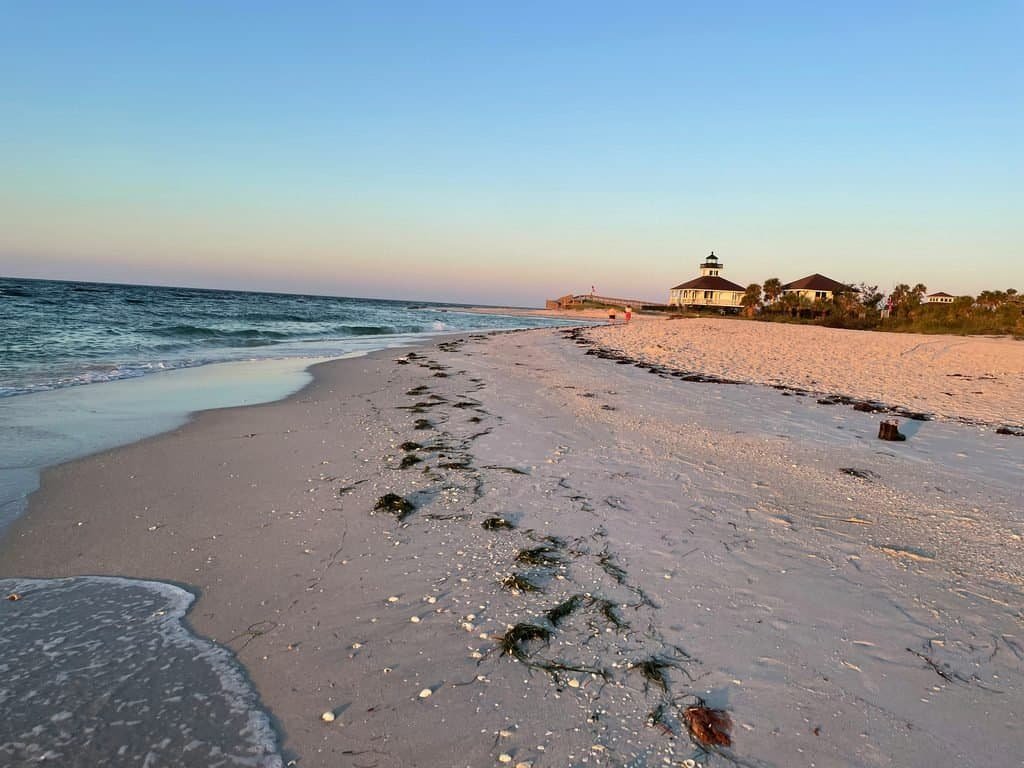
- Top Destinations: The Treasure Coast (Sebastian to Stuart), Gold Coast Beaches (Miami to Palm Beach), and the Emerald Coast (Destin & Panama City Beach).
- Why Try It: Florida is world-famous among detectorists for yielding Spanish Fleet cobs, historical coins, and modern lost jewelry. Combining a day at the beach with treasure hunting offers a hands-on way to connect with Florida’s rich maritime history and coastal culture.
- What to Expect: Detecting along broad ocean beaches with a sand scoop or handheld detector. Finds range from modern coins and lost rings along high-traffic tourist shores to historic targets occasionally exposed by ocean storms.
- Practical Planning & Safety: Where local rules permit metal detecting, some beaches restrict it to the area between the toe of the dune and the mean high-water line. Always check the rules for the specific beach before detecting. Never dig into, or damage sea oats or dune vegetation, and leave historic objects on state park lands undisturbed.
Also Read: Florida Metal Detecting Guide: Best Places, Clubs & Laws
2. Swimming, Snorkeling, and Kayaking in Freshwater Springs
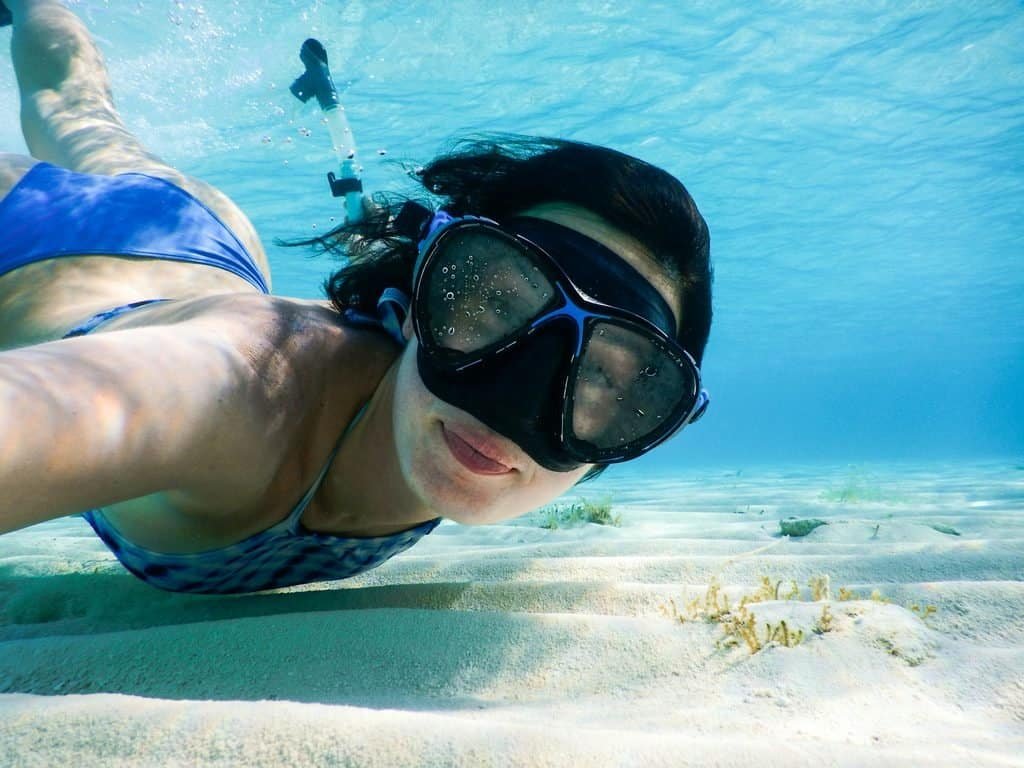
- Top Destinations: Crystal River / Three Sisters Springs (Citrus County), Rainbow Springs State Park (Dunnellon), and Ichetucknee Springs State Park (Fort White).
- Why Try It: Florida is home to one of the largest concentrations of natural freshwater springs in the world. Fed by the underlying Floridan Aquifer, many of these springs maintain temperatures close to 72°F (22°C) throughout the year, offering crystal-clear water ideal for snorkeling, paddling, and swimming.
- What to Expect: Calm, crystal-clear water with high visibility, surrounded by lush cypress swamps. During the cooler months, particularly November through March, manatees gather around the warm springs at Crystal River, where they find refuge from colder Gulf waters. At Ichetucknee Springs, swimming and snorkeling are permitted in designated spring headwaters, but not along the river run itself.
- Practical Planning & Safety: Access rules vary between springs. At Three Sisters Springs, paddle craft are permitted inside the springs from April 1 to November 14, while seasonal manatee protections restrict craft access during winter. Follow strict passive observation rules near wildlife—never touch, chase, or disturb manatees. Popular spring parks often hit visitor capacity early on warm summer weekends or peak winter days, so plan to arrive early or reserve entry tickets in advance where applicable.
Also Read: 7 Best Beaches to Find Sea Glass in Florida: Your Ultimate Guide
3. Paddling and Airboating in the Everglades Ecosystem
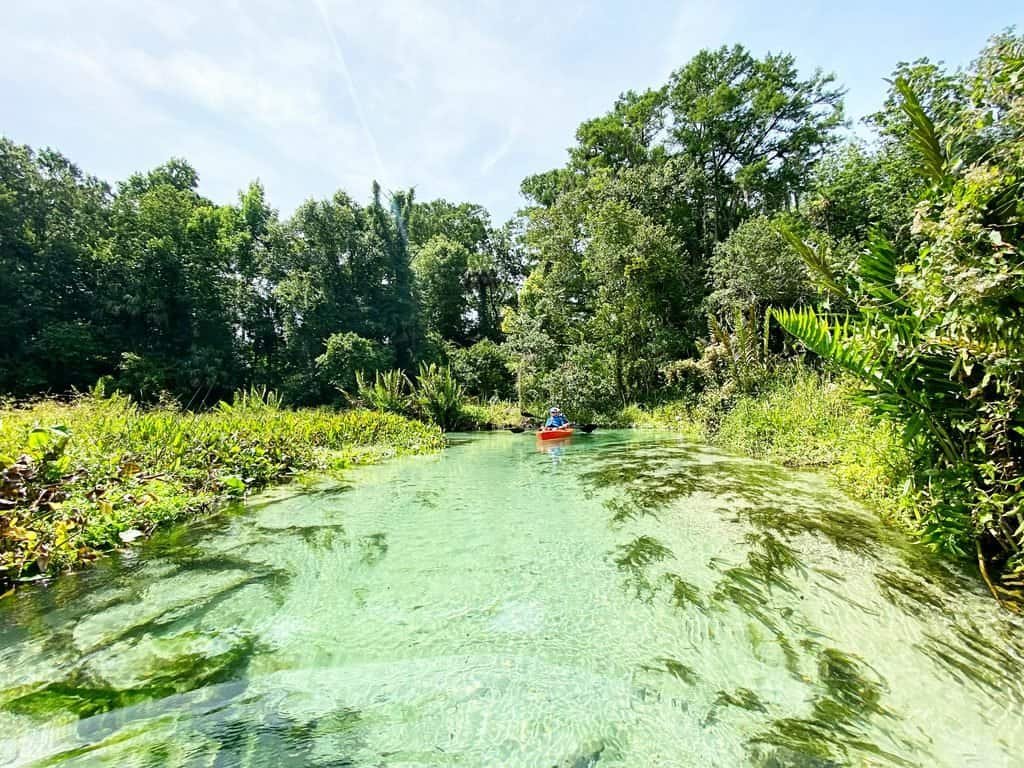
- Top Destinations: Everglades National Park (Gulf Coast & Flamingo areas), Big Cypress National Preserve, and Ten Thousand Islands National Wildlife Refuge.
- Why Try It: Known as the “River of Grass,” the Everglades is a vast, slow-moving wetland system in southern Florida. Its freshwater marshes, mangrove forests, and coastal waterways support a wide variety of wildlife, including American alligators and wading birds.
- What to Expect: Airboat tours are available through authorized operators along the Tamiami Trail, including within Everglades National Park. For a quieter experience, guided or self-guided kayak and canoe trips explore mangrove tunnels, coastal waterways, and sheltered bays.
- Practical Planning & Safety: Bring strong insect repellent, sun protection, and plenty of water. The dry season (November through April) is generally the most comfortable time to visit, with lower humidity, fewer mosquitoes, and good opportunities for wildlife viewing. Insects can still be present, particularly around dawn and dusk.
4. World-Class Saltwater Deep-Sea & Inshore Fishing
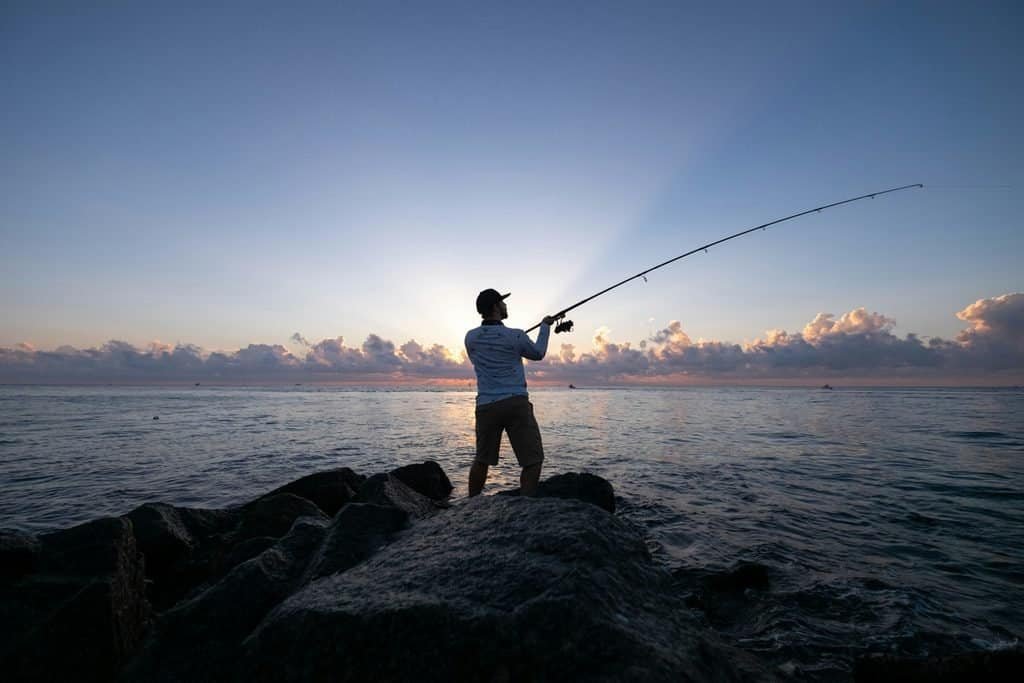
- Top Destinations: The Florida Keys (Islamorada & Key West), Charlotte Harbor / Boca Grande (Tarpon Coast), and Destin (Emerald Coast).
- Why Try It: Known as the “Fishing Capital of the World,” Florida’s extensive coastline, warm waters, and varied marine habitats support an incredible range of fish species. Whether casting along shallow mangrove flats or trolling deep offshore canyons, anglers can target a variety of gamefish.
- What to Expect: Inshore backcountry trips target snook, redfish, spotted seatrout, and tarpon, while offshore charters head into deep water for sailfish, mahi-mahi, wahoo, and grouper.
- Practical Planning & Safety: Non-resident anglers aged 16 or older generally need a valid Florida saltwater fishing license, unless they are covered by an applicable exemption. Passengers fishing from a for-hire vessel with a valid FWC charter license do not need to purchase an individual recreational license. Check seasonal closures, size limits, and bag limits before heading out.
5. Snorkeling and Coral Reef Scuba Diving
- Top Destinations: John Pennekamp Coral Reef State Park (Key Largo), Biscayne National Park, and Dry Tortugas National Park.
- Why Try It: Florida is home to the Florida Reef Tract, the third-largest barrier reef ecosystem in the world. It provides incredible underwater scenery, historical shipwreck sites, and vibrant habitats for marine life ranging from sea turtles to colorful reef fish.
- What to Expect: Visitors can explore living coral reefs, sea fans, and marine life, as well as historic shipwrecks. The Florida Keys and Biscayne National Park both have underwater heritage trails, with sites suitable for different levels of snorkeling and scuba diving.
- Practical Planning & Safety: Choose reef-conscious sun protection. The National Park Service recommends mineral sunscreens containing zinc oxide or titanium dioxide, along with UV-protective clothing. Avoid touching or standing on coral, as even brief contact can cause damage. Weather and wind conditions heavily dictate ocean visibility and boat operations, so monitor marine forecasts before booking offshore charters.
Tips for Planning Your Trip
- Respect the Season: The dry season (November through April) generally offers milder temperatures, lower humidity, and fewer mosquitoes, making it a popular time for outdoor activities. Summer brings warmer water for swimming and diving, but afternoon thunderstorms, higher humidity, and increased mosquito activity are common.
- Know the Rules: Public land and coastal management in Florida involves a mix of Federal (NPS, USFWS), State (Florida State Parks, FWC), and local city/county agencies. Always verify park entry requirements, seasonal closures, and local environmental protection rules before exploring.