
Georgia has plenty to offer if you enjoy spending time outdoors.
You can hike through the mountains of North Georgia, paddle through the waterways of the Okefenokee Swamp, explore the state’s barrier islands, or try your hand at finding gold in the streams around Dahlonega.
Whether you’re looking for a challenging hike, a quiet day on the water, or something a little different, there are plenty of ways to enjoy Georgia’s landscapes and history.
Here is an in-depth look at five of the best outdoor activities to include on your Georgia itinerary.
Page Contents
1. Metal Detecting and Historical Relic Hunting

- Top Destinations: Private farmland and other permission-based locations in North Georgia, the Piedmont region around Macon and Milledgeville, and coastal areas where local rules allow metal detecting.
- Why Try It: Georgia holds rich layers of American history, from the 1828 Dahlonega Gold Rush to early colonial trade routes and antebellum farmsteads. Metal detecting offers a hands-on way to research and discover lost coinage, tokens, and historical items.
- What to Expect: Searching is permitted on dry-sand coastal beaches, clearings, and agricultural fields using handheld metal detectors and suitable hand tools where digging is legally permitted. Finds can range from modern lost jewelry along beach access points to 19th-century trade tokens and surface relics on private farmland.
- Practical Planning & Safety: Georgia has strict archaeological preservation rules. Metal detectors cannot be used or carried in an assembled, usable condition in Georgia State Parks and State Historic Sites. Recreational metal detecting and relic hunting are also prohibited at protected federal battlefields such as Kennesaw Mountain and Chickamauga. On private land, obtain the landowner’s written permission before detecting. Under O.C.G.A. § 12-3-621, advance notification to the State Archaeologist is required when someone intends to disturb the surface of an archaeological site to investigate or discover artifacts, with the landowner’s written permission. On public ocean beaches, rules depend on land ownership and local regulations, so check with the relevant authority before detecting. Read my guide about metal detecting in Georgia here.
2. Mountain Hiking along the Appalachian Trail & North Georgia Peaks
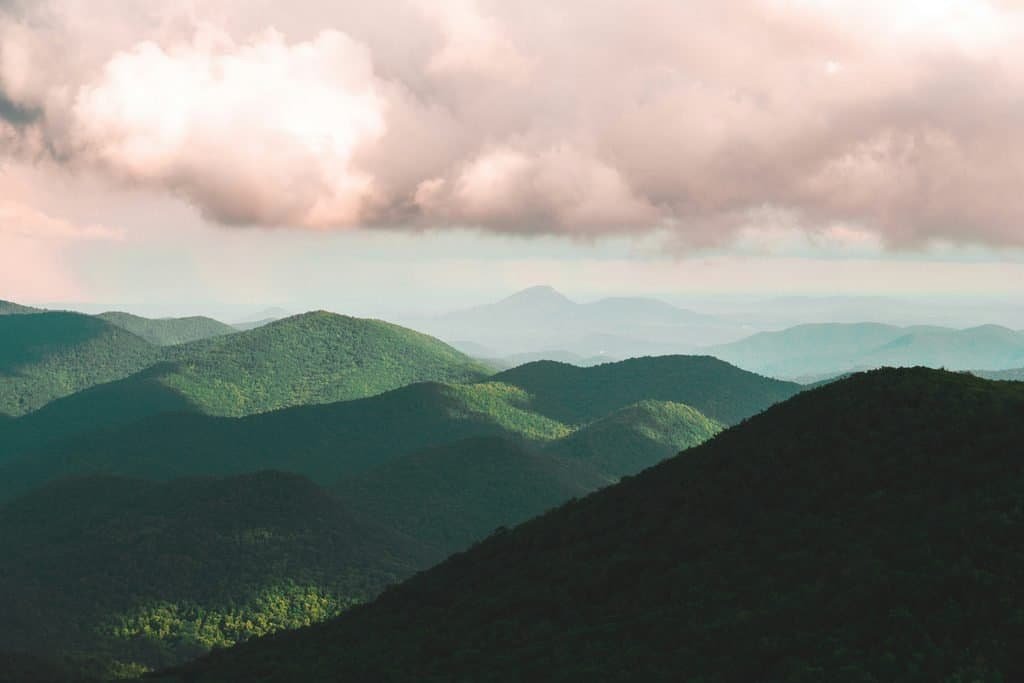
- Top Destinations: Blood Mountain & Freeman Trail Loop (Neels Gap), Brasstown Bald (Georgia’s highest point), and Amicalola Falls State Park (Dawsonville).
- Why Try It: The North Georgia Mountains anchor the southern terminus of the world-famous Appalachian Trail (AT) at Springer Mountain. Hiking this region offers dramatic mountain vistas, cascading waterfalls, and cool, high-elevation hardwood forests.
- What to Expect: Trails range from the steep, paved half-mile climb to the Brasstown Bald observation deck (4,784 ft) to rugged, rocky switchbacks along the 6-mile Blood Mountain loop via the Appalachian and Freeman Trails. Amicalola Falls is Georgia’s most famous cascading waterfall, with a commonly quoted height of 729 feet.
- Practical Planning & Safety: Weather in the North Georgia mountains can shift rapidly; carry extra layers, rain gear, and ample water even on day hikes. Parking at popular trailheads like Neels Gap or Amicalola Falls fills quickly on autumn weekends, so plan for early morning arrivals. Bear-proof food storage protocols apply when backcountry camping in the Chattahoochee-Oconee National Forest.
3. Blackwater Wilderness Paddling in the Okefenokee Swamp
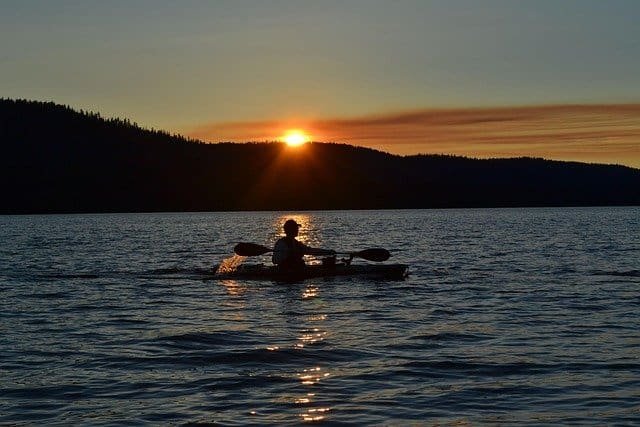
- Top Destinations: Okefenokee National Wildlife Refuge (Suwannee Canal Recreation Area and Kingfisher Landing near Folkston) and Okefenokee State Park (Fargo).
- Why Try It: Covering over 400,000 acres, the Okefenokee is one of North America’s largest intact blackwater wetland systems. Exploring its tea-colored, mirror-like waters surrounded by towering Spanish-moss-draped cypress trees provides a wilderness experience unlike anywhere else in the country.
- What to Expect: Guided pontoon boat tours, day canoeing, or multi-day wilderness kayak trips along marked water trails. Outdoor enthusiasts can spot dense populations of American alligators, sandhill cranes, prothonotary warblers, and rare aquatic flora. Okefenokee State Park is also a designated International Dark Sky Park, offering excellent opportunities for stargazing.
- Practical Planning & Safety: Bring high-grade insect repellent and sun protection. Alligators are commonly encountered throughout the swamp; never approach or feed them, keep a respectful distance, and keep children and pets away from the water’s edge. The refuge requires an overnight camping permit for wilderness wooden platforms, and reservations remain subject to seasonal water levels and trail conditions.
4. Coastal Kayaking, Barrier Island Exploring, and Beachcombing
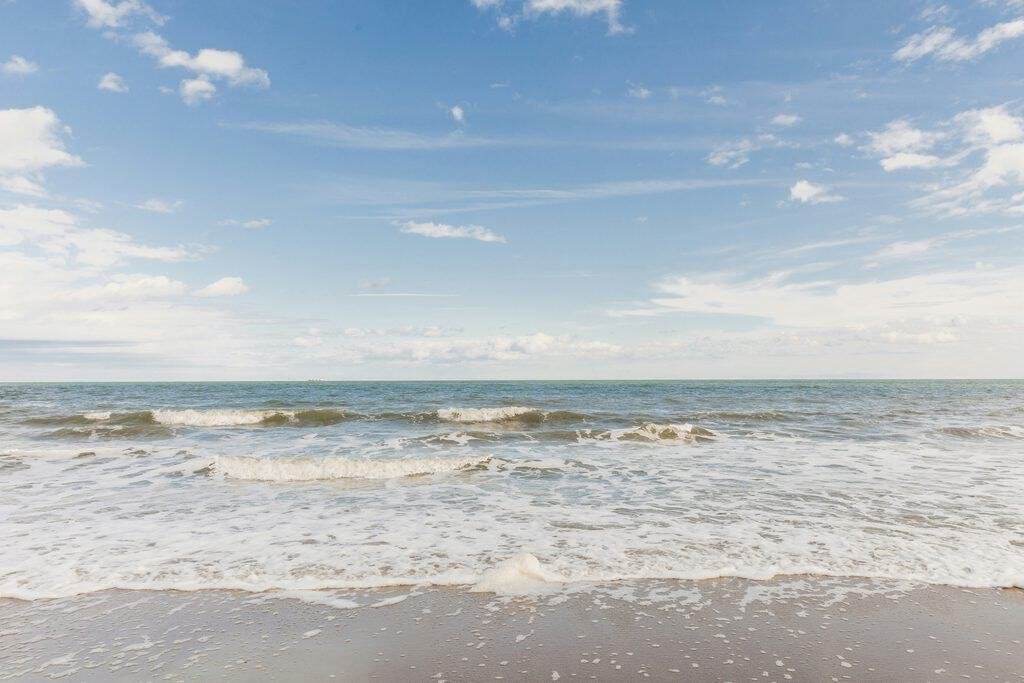
- Top Destinations: Jekyll Island (Driftwood Beach), Cumberland Island National Seashore, and Tybee Island (Chatham County).
- Why Try It: Georgia’s 100-mile coastline is protected by a chain of largely undeveloped barrier islands. These coastal environments feature salt marshes, maritime oak forests, and expanses of uncrowded beaches.
- What to Expect: Kayaking through salt marsh estuaries behind barrier islands, viewing wild horses along the undeveloped sands of Cumberland Island, or photographing the weathered tree sculptures at Driftwood Beach on Jekyll Island.
- Practical Planning & Safety: Georgia has semidiurnal tides, with a substantial tidal range of around 6 to 9 feet in many coastal areas. Kayakers must consult local tide charts before entering marsh channels to avoid getting stranded at low tide. Access to Cumberland Island requires a passenger ferry reservation from St. Marys or travel by private boat. There are no grocery stores or restaurants on the island, so visitors must bring their own food, carry a refillable water bottle (refill stations are available at key locations), and pack out all rubbish.
5. Recreational Gold Panning & Prospecting in the Gold Belt

- Top Destinations: Historic mining hubs in Lumpkin and White Counties (including Dahlonega), and commercial panning operations.
- Why Go: America’s first major gold rush transformed North Georgia following discoveries around 1828–1829. Placer gold remains in the mountain streams surrounding Dahlonega, making recreational panning a popular hands-on outdoor activity.
- What to Expect: Panning within mountain stream channels using hand pans to collect gold flakes, without disturbing stream banks or surrounding vegetation, or visiting commercial panning mines in historic mining towns. Visitors can combine a panning outing with a visit to the Dahlonega Gold Museum State Historic Site housed in the 1836 Lumpkin County Courthouse.
- Practical Planning & Safety: On Chattahoochee-Oconee National Forest land, recreational gold panning may be permitted in suitable locations where the federal government owns the mineral rights. Restrictions apply to certain areas, and hand or power digging tools are not permitted for recreational panning under Forest Service management rules. Suction dredging is also prohibited in national forests. Always check with the local Forest Service district office before visiting. On private property, always obtain explicit landowner permission before prospecting.
Tips for Planning Your Trip
- Respect the Seasons: Spring (March through May) and Fall (September through November) generally offer pleasant conditions across Georgia, featuring mild temperatures, colorful autumn mountain foliage, and moderate humidity. Summer brings hot, humid weather inland and afternoon thunderstorms, though coastal sea breezes and high-elevation mountain trails offer relief.
- Understand Management Rules: Georgia’s public outdoor spaces fall under diverse jurisdictions—including the National Park Service, U.S. Fish and Wildlife Service, U.S. Forest Service, Georgia Department of Natural Resources (DNR), and county park boards. Always confirm property ownership, access permits, seasonal closures, and activity-specific guidelines before setting out.