
If you only ever see Illinois from the interstate, it is easy to assume the whole state is just flat cornfields.
Honestly, though, once you get off the main highway, you find a completely different side of the Midwest—towering sandstone bluffs, glacier-carved river canyons, and miles of open shoreline.
Whether you want to spend a morning hiking through quiet hills, paddling past river cliffs, or sweeping a metal detector across historic ground, there is a lot more to explore here than most people realize.
If you are planning a weekend outside, these are five of the best ways to experience the state.
Page Contents
1. Hiking the Sandstone Bluffs of Shawnee National Forest

Down in southern Illinois, the flat prairie gives way to rugged hills, ancient rock formations, and hardwood forests spanning approximately 289,000 acres between the Mississippi and Ohio rivers.
Garden of the Gods is the undisputed crown jewel here. Walking the quarter-mile Observation Trail puts you right on top of 320-million-year-old sandstone cliffs—including famous wind-carved landmarks like Camel Rock, Table Rock, and Devil’s Smokestack—with sweeping views over the Shawnee Hills that feel much closer to the Ozarks than the Midwest.
If you want a longer trek, you can explore the broader Garden of the Gods trail system, which covers approximately 16.9 miles of surrounding wilderness routes, or drive roughly 45 minutes west to Giant City State Park.
There, the Giant City Nature Trail winds through massive sandstone bluffs known as the Giant City Streets, offering cool shade even during warmer months.
- Best Time to Go: Spring for blooming wildflowers and rushing seasonal waterfalls at spots like Burden Falls, or autumn for colorful foliage and cooler hiking conditions.
- Good to Know: The main Observation Trail at Garden of the Gods has steep, unguarded cliff edges, so keep a close eye on kids and pets. Cell service is spotty throughout the forest, so download offline maps before you lose signal.
2. Kayaking Below the Bluffs at Starved Rock
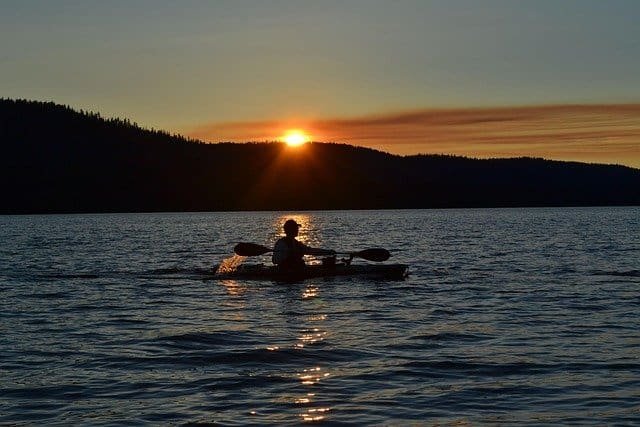
While most visitors crowd the wooden staircases and overland hiking trails at Starved Rock State Park, seeing the park from the Illinois River gives you a completely different perspective.
Launching from the Lone Point Shelter area at Starved Rock lets you glide along the river beneath towering St. Peter sandstone bluffs and past wooded islands, while the park’s 18 canyons, carved by glacial meltwater and erosion, cut back into the upland cliffs above.
Because this stretch of the river is part of the Starved Rock Lock and Dam pool, paddlers still need to respect river currents, boat wakes, and commercial barge traffic rather than treating it like a quiet pond.
On a calm morning, it is common to spot great blue herons hunting along the shallow banks and bald eagles perched in the sycamore trees overhead.
You can bring your own kayak or canoe and launch at Lone Point Shelter, or arrange a rental or guided paddle through a private local operator.
- Best Time to Go: May through early October for comfortable water temperatures and full outfitter operations, though September brings thinner crowds and crisp air.
- Good to Know: Commercial barge traffic and recreational boat wakes are real hazards on the Illinois River, and IDNR warns that all boats must stay at least 600 feet away from the dam due to strong currents and powerful undertows. Follow local boating guidance, wear a properly fitted life jacket, and pack water shoes for launching along rocky banks.
3. Recreational Metal Detecting
With its deep history of 19th-century lead mining, river commerce, and early pioneer settlements, Illinois is a rewarding state for treasure hunters who enjoy doing their homework.
Depending on local rules, you can sweep for modern lost coins and jewelry along eligible beaches, or—with written landowner permission—search plowed private farm fields around historic hubs like Galena and central Illinois for 19th-century coinage, trade tokens, and farmstead relics.
Because Illinois takes historical and archaeological preservation seriously, the best trips start with verifying land ownership and local rules before you ever turn on your machine.
Joining a local club or researching old plat maps to locate former 19th-century schoolhouses and stagecoach stops on private acreage is often the most productive way to hunt.
Read our guide on metal detecting in Illinois
- Best Time to Go: Early spring (after the ground thaws and before crops are planted) and late autumn after harvest when plowed agricultural fields are accessible.
- Good to Know: The rules for metal detecting on public land in Illinois are strict. Metal detecting on IDNR-managed properties requires an advance permit obtained through the Chief of Lands and signed by the Site Superintendent, with detecting restricted to designated areas. Only handheld metal detecting devices are permitted, and finds can only be recovered using small hand tools such as a penknife, ice pick, or screwdriver. Shovels, picks, and entrenching devices are prohibited, and any antiquity relevant to the park must be reported to park staff or handed in to the park office. Detecting is not allowed at state historic, archaeological, or nature preserve sites, and designated state park beaches have restricted detecting hours, generally from sunrise until 10:00 a.m. Metal detecting is generally prohibited on National Park Service-managed land. Rules vary on municipal beaches and other public properties, so always check with the managing authority before hunting and obtain permission before detecting on private property.
4. Biking the Chicago Lakefront Trail

Few urban rides in the country match the Chicago Lakefront Trail, which features an approximately 18-mile paved bicycle path hugging the western edge of Lake Michigan alongside a separate 18.5-mile pedestrian path.
Stretching from Ardmore Avenue on the North Side down to 71st Street on the South Side, the flat, scenic route links sandy beaches, harbor marinas, museum campuses, and parklands with the downtown skyline towering right beside you.
One of the best parts of this ride is how easy it is to tailor to your pace.
You can knock out the entire 36-mile round trip as a steady fitness ride, or break it up with stops at Montrose Harbor, Lincoln Park, Navy Pier, and the Museum Campus.
Dedicated bike and pedestrian lanes separate cyclists from walkers and runners along most of the corridor, keeping traffic flowing smoothly even on busy afternoons.
- Best Time to Go: Weekday mornings or shoulder seasons (May, September, and early October) to enjoy pleasant lake breezes without heavy weekend crowds.
- Good to Know: Winds off Lake Michigan can turn a casual cruise into a serious workout in one direction, so check the wind forecast beforehand and consider riding into the headwind first so you get a tailwind on the way back. Check Chicago Park District notices for temporary maintenance closures before setting out.
5. Fishing and Boating at Chain O’ Lakes
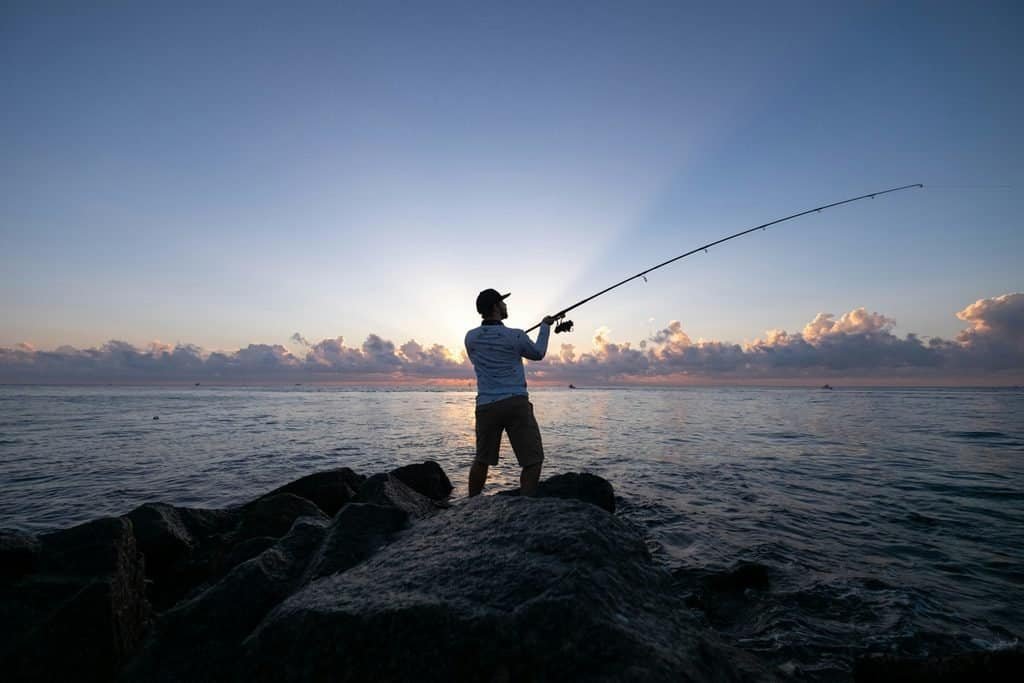
Located roughly an hour northwest of Chicago near Spring Grove, Chain O’ Lakes State Park sits in the heart of one of the Midwest’s most popular inland boating and fishing destinations.
The wider Fox Chain O’ Lakes system spans more than 7,000 acres across 15 interconnected lakes.
Chain O’ Lakes State Park borders three natural lakes within this system—Grass Lake, Marie Lake, and Nippersink Lake—and the Fox River, which connects seven other lakes in the chain. IDNR describes the park as having access to nearly 6,500 acres of water and approximately 488 miles of shoreline across the chain.
Anglers come here year-round for walleye, northern pike, largemouth bass, muskie, channel catfish, and panfish, fishing from boats or designated fishing piers.
If you prefer a slower pace on the water, you can explore the park’s connected waterways by kayak or canoe.
Check with the park before visiting to confirm current rental availability, or bring your own watercraft. Grass Lake is particularly interesting for nature lovers, as it was historically covered with extensive summer beds of blooming American lotus.
- Best Time to Go: Late spring and early fall for prime fishing action, migrating waterfowl, and noticeably quieter boat traffic.
- Good to Know: Anyone age 16 or older needs a valid Illinois fishing license before casting a line, unless exempt. Weekend powerboat traffic on the main lakes gets heavy in midsummer, so plan on launching early in the morning if you are fishing or paddling. Note that the park closes to general visitors during autumn hunting seasons (November 2 through December 27, 2026), though the Maple Grove and Oak Point boat launches remain open. Always check the current dates and times.