
Indiana may not look dramatic on a quick drive across the interstate, yet it holds a lot of ground worth exploring once you step off the main road.
You’ll find sandstone gorges in the west-central hills, wooded ridges in Brown County, glacial lakes and river trails farther north, and wide reservoirs in the south.
Five outdoor activities stand out across the state, including metal detecting for those who enjoy combining outdoor exploration with a little local history.
Page Contents
1. Hiking Scenic Gorges, Ridges, and Forest Trails
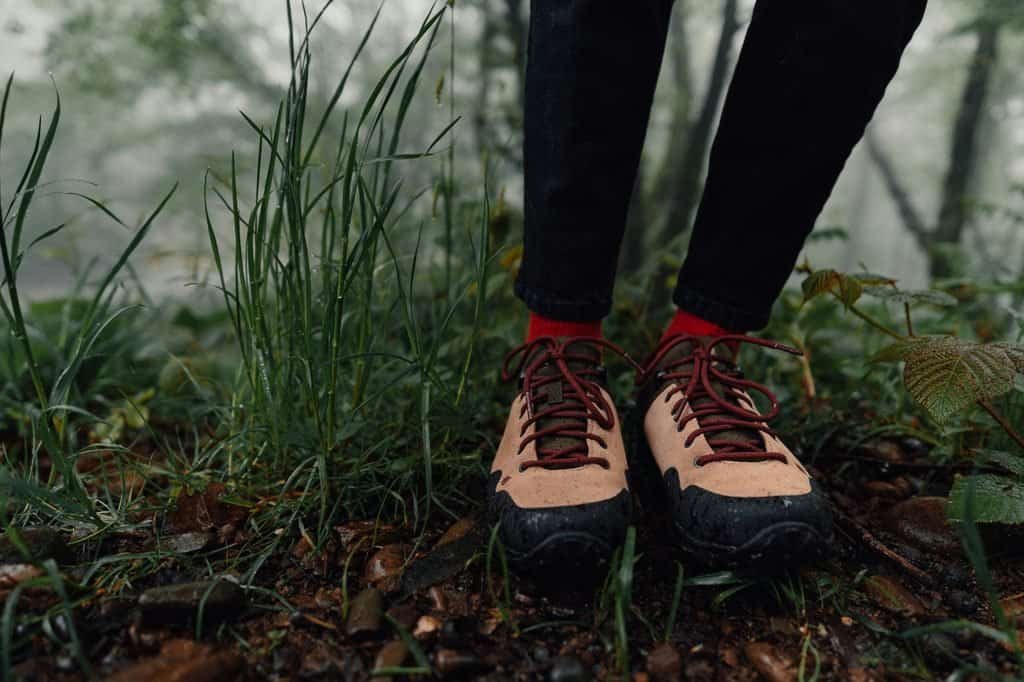
Few states pack as much variety into short hikes as Indiana. At Turkey Run State Park and Shades State Park, trails wind past sandstone canyons, steep ravines, and creek beds that feel miles away from the Midwest cornfields nearby.
Brown County State Park—often called the “Little Smokies”—offers rolling ridges, heavy hardwood cover, and sweeping views, while Clifty Falls State Park and Spring Mill State Park pair woodland walks with waterfalls, cave springs, and historic stone structures.
Further north, Pokagon State Park, Indiana Dunes State Park, and Fort Harrison State Park give hikers lakefront dunes, moraine hills, and wooded loops close to major towns.
If you want longer treks or quieter woods, Hoosier National Forest in southern Indiana offers more than 260 miles of trails for hiking, biking, and horseback riding, including the roughly 12,500-acre Charles C. Deam Wilderness, alongside routes like the 11.6-mile Birdseye Trail and the 15.7-mile Two Lakes Loop around Indian-Celina Lakes.
State forests such as Clark State Forest, Yellowwood State Forest, and Morgan-Monroe State Forest add even more wooded miles to explore.
- Practical tips: Stay on marked trails to protect fragile rock ledges and woodland plants, wear footwear with good grip near wet stone or steep ravines, and check property notices before you go for seasonal trail closures or hunting seasons.
- Where to start: Browse trails, maps, and property updates on Indiana DNR State Parks & Recreation and Hoosier National Forest Recreation.
2. Kayaking and Paddling Creeks, Rivers, and Lakes
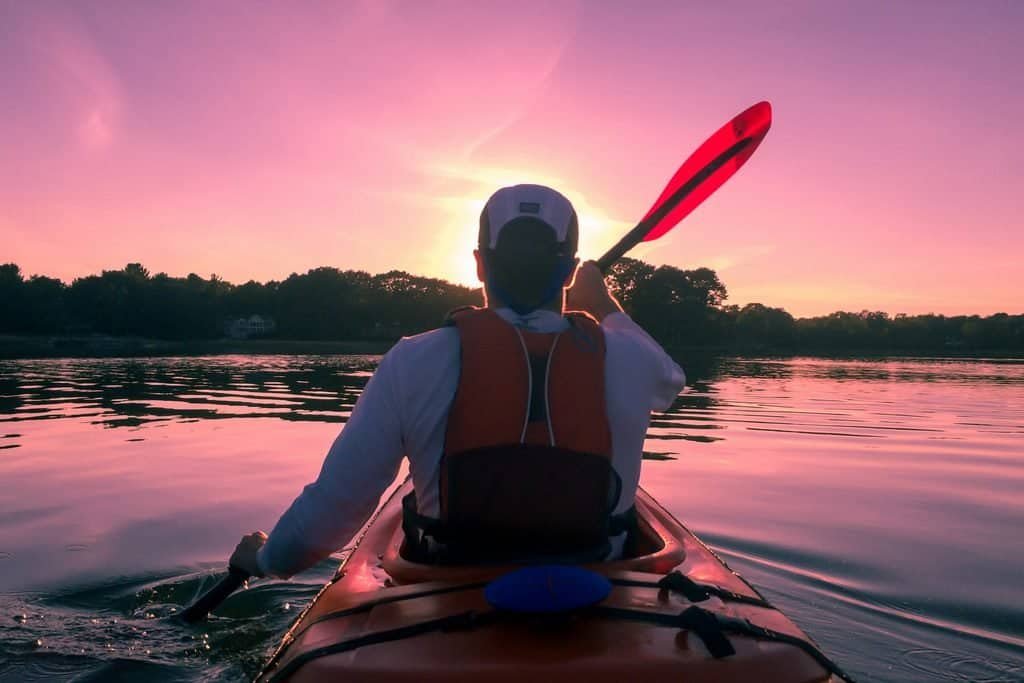
Paddling is one of the best ways to see Indiana at an unhurried pace.
Sugar Creek—running past Shades and Turkey Run—is a favorite for scenic river stretches. At the same time, waterways like the Tippecanoe River, White River, Wabash River, and Wildcat Creek offer varied currents, sandbars, and bankside wildlife.
For calm flatwater or bigger open stretches, paddlers head to glacial lakes such as those in Chain O’ Lakes State Park or large reservoirs such as Monroe Lake, Patoka Lake, and Brookville Lake.
Several state properties and local outfitters rent canoes and kayaks, and designated water trail sites and approved riverside campgrounds also support overnight stream camping, making multi-day paddling trips possible.
However, camping is only permitted at designated sites or locations where permission has been granted.
On smaller forest waters like Indian Lake or Tipsaw Lake, a quiet paddle lets you tuck into coves and spot wading birds away from busier boat ramps.
- Practical tips: Check river levels and flow conditions before launching, watch for downed trees and strainers in moving water, and wear a properly fitted life jacket on every trip.
- Where to start: Look up routes and overnight stream options on Indiana DNR Water Trails, or find outfitters through the Indiana DNR Canoe/Kayak Rentals map.
3. Metal Detecting
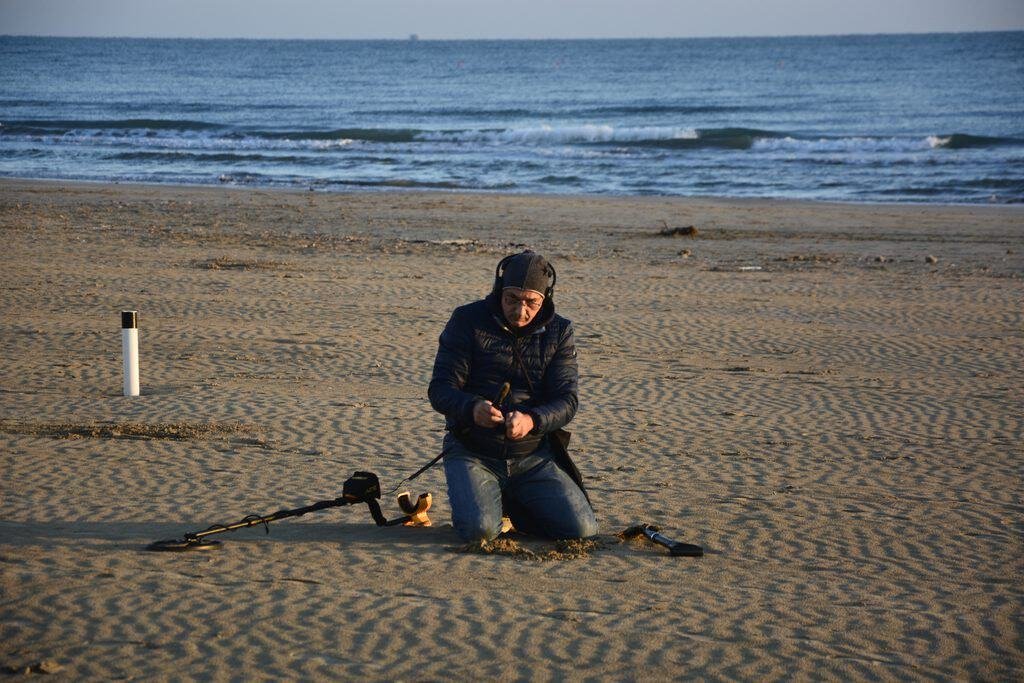
If you enjoy digging into old maps, county histories, and forgotten sites, metal detecting turns an ordinary walk into a bit of local sleuthing.
Depending on land ownership and local rules, hobbyists search beaches and parks for modern coins and lost jewelry or research older properties with proper permission.
Because Indiana has strict rules covering state-managed land, federal sites, and pre-1870 archaeological protections, you cannot treat every piece of ground the same way.
On Indiana DNR-managed properties, metal detecting is prohibited except on sand swimming beaches specifically approved by an authorized representative.
Federal lands also enforce separate restrictions: Indiana Dunes National Park prohibits possessing or using a metal detector anywhere in the park, while Hoosier National Forest limits detecting to developed recreation areas for modern items without historical value (with surface collecting only, no digging, and sand sifting allowed only at designated beaches).
Private landowners can permit metal detecting, and ordinary surface collecting with the owner’s permission is allowed. However, Indiana’s archaeological and burial laws still apply.
Archaeological sites containing artifacts dating before December 31, 1870, are protected, and disturbing the ground to discover, uncover, or move artifacts, burial objects, or human remains requires a plan approved by the Indiana DNR.
- Practical tips: Confirm property rules with the park, reservoir, or land manager before bringing a detector, get landowner permission ahead of time on private ground, fill any holes where digging is permitted, and pack out any trash.
- Full guide: Read the Indiana Metal Detecting Guide for state rules, research regions, and club details.
4. Fishing on Lakes, Reservoirs, and Streams
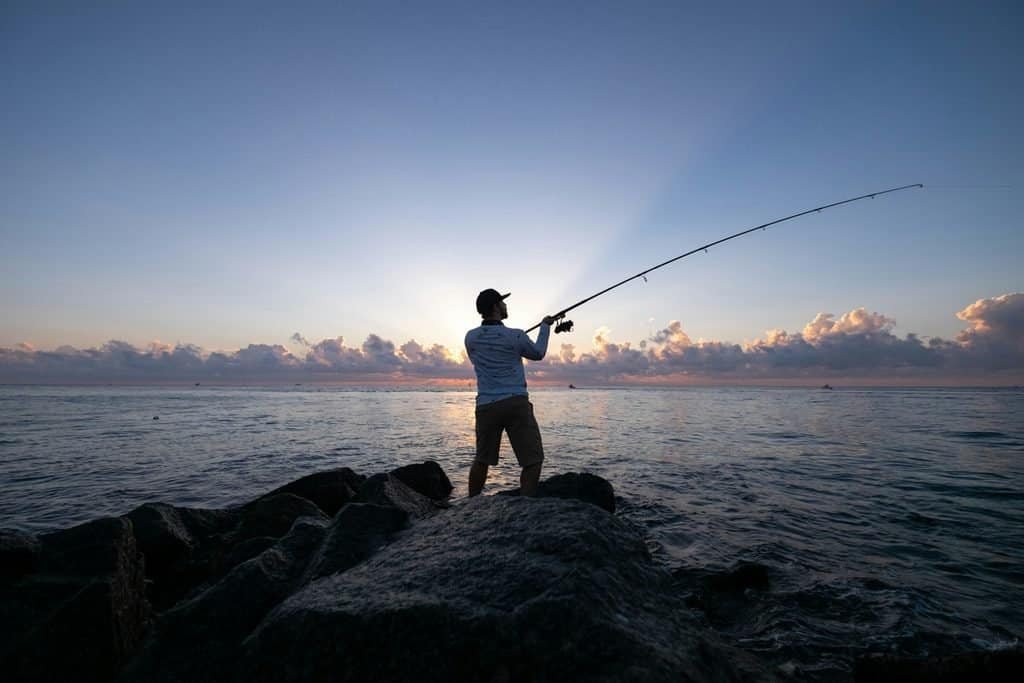
Fishing across Indiana shifts noticeably from north to south.
Northern glacial lakes and northern rivers give anglers classic Midwest lake and stream fishing, central waters mix reservoirs and creeks, and southern lakes and ponds—including waters in and around Hoosier National Forest and state properties like Monroe Lake, Hardy Lake, or Starve Hollow State Recreation Area—offer wide-ranging warmwater fishing.
Across Hoosier National Forest, fishable waters range from small ponds and Sundance Lake to Tipsaw Lake, Celina Lake, Indian Lake, Springs Valley Lake, and Saddle Lake, with species like bass, bluegill, crappie, and catfish drawing anglers throughout the year.
Whether you fish from a boat, cast off a pier or shoreline, or wade a local creek, public access sites and state properties make it straightforward to pick a spot for a morning or a full day on the water.
- Practical tips: Most anglers aged 18 and older need an Indiana fishing license when fishing public waters, while children under 18 and certain qualifying Indiana residents are exempt. Size and bag limits vary by species and waterbody, so check the latest regulations before fishing.
- Where to start: Check current rules in the Indiana DNR 2026–2027 Fishing Guide & Regulations, locate public access points on the Indiana DNR Where to Fish Interactive Map, and browse Hoosier National Forest Fishing.
5. Camping Under the Stars
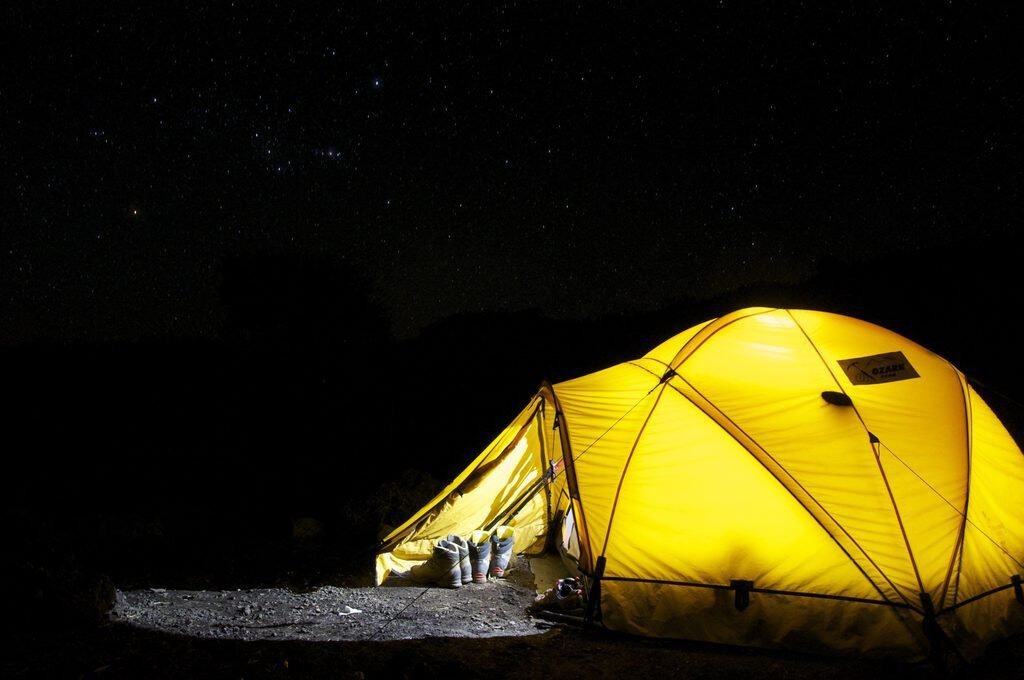
Turning a day trip into an overnight stay is easy across Indiana, whether you want hot showers and electric hookups or a quiet tent site tucked into the trees.
State parks and recreation areas—including Brown County, Versailles, Whitewater Memorial, Clifty Falls, Chain O’ Lakes, Pokagon, and Deam Lake—offer a variety of camping options across the state, including electric and non-electric sites, cabins, and group or youth camping areas.
If you prefer a quieter forest setting, Hoosier National Forest offers campgrounds like Blackwell and Tipsaw Lake, campgrounds around Indian-Celina Lakes and Hardin Ridge, and dispersed backcountry options.
Indiana State Parks also offers year-round camping at many properties, including during the colder months.
However, available campsites, campground loops, and facilities vary by location, so check winter availability before planning an overnight stay.
- Practical tips: Reserve popular state park campsites early during spring, summer, and fall peak weekends, check local campfire rules or burn bans, and keep food secured away from wildlife.
- Where to start: Check availability and book state park sites on Indiana State Parks Camping, or explore forest sites on Hoosier National Forest.