
Alaska is different from many states for metal detecting.
The biggest opportunities are often tied to recreational gold prospecting rather than conventional coin and relic hunting.
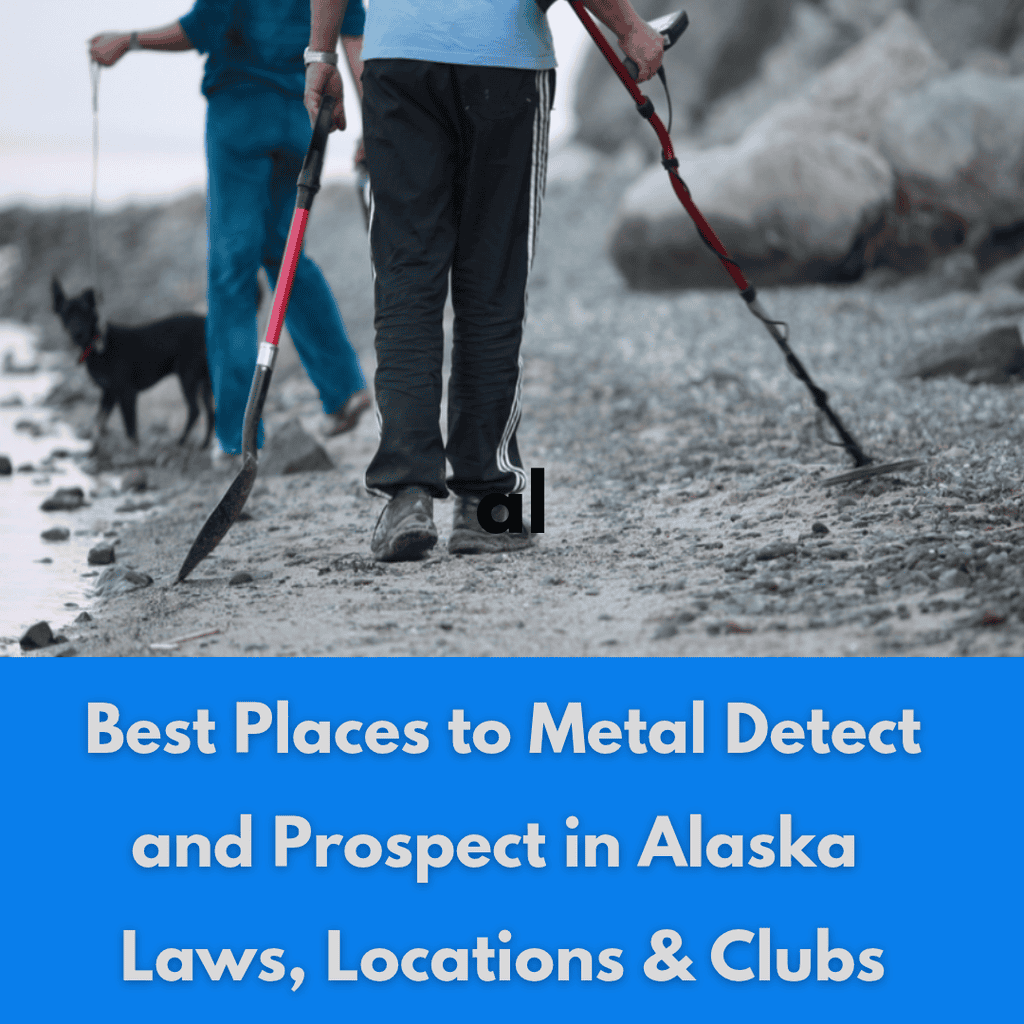
Because much of the Last Frontier is managed under complex federal, state, and private jurisdictions, knowing where you can legally swing a detector matters just as much as knowing where the gold or historic remnants are.
Page Contents
The Legal Framework
- Bureau of Land Management (BLM) Land: Some BLM-managed public lands allow recreational metal detecting and prospecting as casual use, provided the activity causes only minor surface disturbance and complies with local restrictions. You generally do not need a special permit for qualifying surface work, but you cannot remove or disturb archaeological or other protected cultural resources, and land status should always be checked first. You can explore agency guidelines and mapping resources via the BLM Alaska Public Room.
- National Park Service (Strictly Prohibited): Metal detecting is banned across all National Park Service units (including Denali and Wrangell-St. Elias). Merely carrying a detector inside an NPS boundary can result in a fine and equipment seizure. Review official constraints through the National Park Service Alaska Region.
- State Lands & Parks: Metal detecting is prohibited in Alaska State Parks. Other state-owned land can have different rules, with some recreational prospecting activities allowed under DNR’s generally allowed uses. Always check the specific land manager and current land status before detecting via the Alaska Department of Natural Resources (DNR).
- Federal Artifact Protection: Federal laws, including the Archaeological Resources Protection Act (ARPA), protect archaeological resources on federal public lands. If you encounter an archaeological or historic artifact, leave it where you find it and check the rules for the land manager before doing any digging or collecting, with guidance coordinated through the Alaska Office of History and Archaeology.
Top Metal Detecting & Prospecting Locations in Alaska
1. Nome Beaches & Offshore Mining Areas
- Targets: Fine placer gold, modern jewelry, and lost beach drops.
- Why Go: Nome’s coastal marine environment is world-famous for gold deposition. The shoreline sands shift constantly with storms and wave action, washing fine gold and heavy black sands right onto public beach areas. Detectorists target the gravel layers and bedrock pockets exposed during low tide or after heavy Bering Sea storms.
- Practical Note: Public access does not necessarily mean the beach is open for prospecting. Check current land status, municipal rules, and active mining claims before detecting, particularly outside the immediate city area.
- Location: View the area on Google Maps.
2. Nome Creek Valley (White Mountains National Recreation Area)
- Targets: Fine placer gold, small nuggets, and bedrock specimen gold.
- Why Go: Located northeast of Fairbanks off the Steese Highway, the BLM specifically designates a four-mile section of the Nome Creek Valley for recreational gold panning. It is an accessible interior location where hobbyists can test gravel bars and stream beds.
- Practical Note: Stay within designated recreational prospecting areas and follow current BLM guidelines to protect fish habitat, and avoid digging near bridge abutments or active mining claims.
- Location: View the area on Google Maps.
3. Dalton Highway Recreational Mining Areas
- Targets: Placer gold flakes, fine nuggets, and historical prospecting traces.
- Why Go: The BLM explicitly permits the use of metal detectors, pans, and sluice boxes within designated recreational mining corridors along the Dalton Highway, such as at Gold Creek, Sheep Creek, and Nugget Creek. These sites provide designated recreational prospecting opportunities along one of Alaska’s most famous wilderness routes.
- Practical Note: The Dalton Highway is extremely remote. Follow current BLM and Alaska Department of Transportation rules, and plan carefully for fuel, vehicle safety, weather, and limited services.
- Location: View the corridor context on Google Maps.
4. Resurrection Creek & Hope Area (Chugach National Forest)
- Targets: Placer gold nuggets, fine gold flakes, and historic mining-era features.
- Why Go: Located on the Kenai Peninsula, Resurrection Creek near the historic town of Hope has a documented gold-mining history dating back to the late 19th century. Recreational gold prospecting is available in parts of the region within the Chugach National Forest, but land status, mining claims, and local restrictions vary, so check current Forest Service and land-status information before detecting.
- Practical Note: Check current U.S. Forest Service guidelines for specific recreational mining corridors and ensure you are not crossing active, privately held placer claims.
- Location: View the area on Google Maps.
5. Jack Wade Creek (Fortymile Region / Taylor Highway)
- Targets: Coarse gold nuggets and bedrock gold.
- Why Go: Managed by the BLM, Jack Wade Creek features a designated public gold-panning and prospecting area stretching from just upstream of the Walker Fork Campground to the boundary of active mining claims near milepost 85. It is located in the historic Fortymile mining district.
- Practical Note: The region is remote. Services are limited, and summer is short, so plan vehicle fuel and survival gear carefully before driving out.
- Location: View the creek area near the Taylor Highway junction on Google Maps.
Alaska Metal Detecting & Prospecting Clubs
- Alaska Treasure Seekers Society — Anchorage and Southcentral Alaska metal detecting and treasure hunting group.
- Alaskan Prospectors Society — Anchorage-based prospecting and outdoor education organization.
Frequently Asked Questions
Do I need a permit to metal detect in Alaska?
No statewide recreational permit exists for qualifying recreational prospecting on open public lands such as certain BLM-managed areas. However, specific rules apply depending on whether you are on federal forest land, municipal property, state land, or private claims.
Can I keep gold I find on public land?
Generally, yes—on qualifying public lands where recreational prospecting is allowed, you can keep gold you legally recover. However, mining claims, land status, closures, and site-specific rules can change what is allowed. Always verify the land status before prospecting.
What rules apply to finding historical artifacts?
If you encounter an archaeological or historic artifact while detecting, leave it where you find it and do not disturb the surrounding site. On federal land, contact the relevant land-management agency for guidance. On Alaska state land, contact the Alaska Office of History and Archaeology if you believe you have encountered a protected archaeological or historic resource.
Legal Disclaimer & Responsible Detecting Notice
- Verification of Local Laws: Regulations regarding metal detecting, permitting, and land access are subject to frequent updates by municipal, state, and federal agencies. While FindingMetal.com makes every effort to ensure accuracy at the time of publication, rules can change without notice. Always inspect posted boundary signs and verify current rules with the local park manager, forest district ranger, or property authority before turning on your machine.
- Private Property & Permits: Never trespass or detect on private property without express permission from the landowner. On public lands, stay strictly within designated permitted zones and refrain from detecting on protected dunes, non-permitted park grounds, or restricted natural areas.
- Archaeological & Environmental Protection: Federal laws—including the Archaeological Resources Protection Act (ARPA) and the Antiquities Act—along with state cultural preservation laws, strictly prohibit the excavation, disturbance, or removal of historical artifacts, prehistoric items, or cultural relics from public lands. Practice responsible recovery: use non-destructive recovery tools, fill all target holes completely back to natural grade, pack out all trash, and adhere to the Metal Detecting Code of Ethics.