
When people picture Alabama, they often think of southern hospitality, college football, and historic landmarks.
But step outside the city limits, and you will find one of the most geographically diverse landscapes in the entire American Southeast.
From the rugged ridges of the Appalachian foothills in the north to the sprawling river basins of the Black Belt and the sugar-white quartz sands of the Gulf Coast, Alabama’s wilderness is a haven for outdoor enthusiasts.
Whether you are looking to paddle pristine blueways, search for centuries-old relics, or unearth prehistoric fossils, the state offers endless opportunities to turn a routine weekend into a real adventure.
If you are looking to break out of your routine, here are 5 outdoor hobbies to dive into across Alabama—and everything you need to know to get started.
Page Contents
1. Kayaking & Canoe Blueways
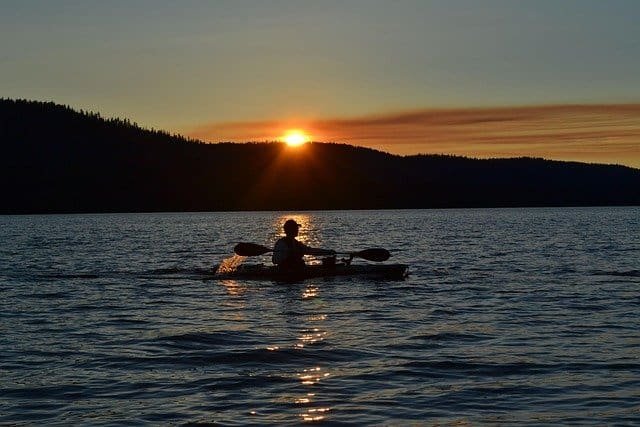
Did you know that Alabama is considered “America’s Amazon”?
Thanks to its unique geography, the state boasts over 132,000 miles of rivers, streams, and creeks—giving it one of the most biodiverse aquatic ecosystems in all of North America.
Paddling is easily one of the most accessible and immersive ways to experience Alabama’s natural beauty, offering options for every skill level ranging from lazy afternoon floats to multi-day backcountry paddling trips.
- Where to Go:
- Mobile-Tensaw Delta: Navigate the famous Bartram Canoe Trail, where floating campsites allow you to spend the night under the stars right on the water.
- Flint River & Paint Rock River: Located in North Alabama, these crystal-clear streams cut through limestone bluffs and offer excellent gentle floating options for families.
- Coastal Alabama Back Bay Blueway: Offers over 200 miles of marked coastal paddling trails winding through the salt marshes surrounding Gulf Shores and Orange Beach.
- Why Try It: Paddling puts you directly at eye level with Alabama’s native wildlife. It is common to spot bald eagles, river otters, native turtles, and hundreds of species of migratory birds soaring overhead or resting along the banks.
- Getting Started: You don’t need to purchase a kayak right away. Outfitters operate along nearly every major waterway in the state, offering affordable day rentals that include paddles, life jackets, and shuttle services back to your vehicle.
2. Metal Detecting & Relic Hunting
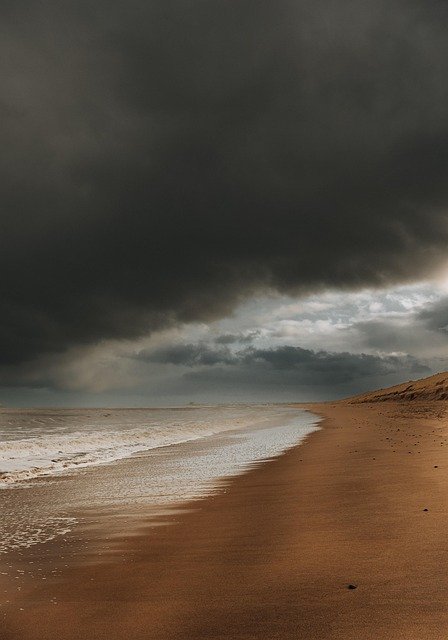
With a rich historical timeline spanning Native American trade networks, early European settlement, Civil War troop movements, and decades of vibrant coastal tourism, Alabama is a treasure hunter’s paradise.
Metal detecting uniquely combines outdoor exercise with hands-on local history—making every beep of the machine a potential connection to the past.
The state’s diverse terrain offers multiple ways to hunt. Coastal detectorists flock to high-traffic tourist beaches to hunt for modern drops like lost jewelry and coins after big summer weekends or tidal storms.
Meanwhile, inland hunters often secure landowner permissions to sweep historic farmsteads, former timber properties, and old wagon routes for 19th-century trade tokens, agricultural tools, and old silver coins.
- Where to Go:
- Public Gulf Beaches: High-foot-traffic public access points in Orange Beach and Gulf Shores provide incredible opportunities for recovering modern surface drops in the dry sand.
- Private Historical Land: Farmland throughout historic regions like the Black Belt or North Alabama, where old homestead sites and agricultural fields often yield deep historical relics.
- Know Before You Go: Because land ownership determines where you can legally turn on your machine, understanding local rules is crucial before you start digging. State and federal lands strictly protect cultural resources. Be sure to check out our complete guide to metal detecting in Alabama for location breakdowns, state park regulations, and municipal beach rules.
- Getting Started: Beginners can start with an affordable entry-level VLF (Very Low Frequency) metal detector, a sturdy hand trowel, and a sand scoop if hunting the coast. Always practice non-destructive recovery techniques by filling every hole completely back to natural grade.
3. Rockhounding & Fossil Hunting
Alabama’s unique geological history spans ancient marine environments, mountain schists, and mineral-rich river valleys.
Hundreds of millions of years ago, vast portions of the state were covered by warm, shallow seas—leaving behind a vast treasure trove of ancient marine fossils and rare mineral deposits waiting to be discovered.
- Where to Go:
- Star Blue Quartz Spots: Search the metamorphic rock outcroppings in Coosa, Clay, and Chambers counties for star blue quartz—the official state gemstone of Alabama, known for its distinctive blue hue caused by microscopic rutile inclusions.
- Black Belt Waterways: Creek beds and gravel bars throughout central and western Alabama regularly yield Cretaceous-era fossils, including prehistoric shark teeth and other marine fossils.
- Why Try It: Rockhounding requires virtually no expensive equipment to enjoy. A basic rock hammer, a sifting screen, a sturdy pair of boots, and a keen eye for detail are all you need to start finding real geological specimens.
- Getting Started: Always double-check property boundaries before collecting rocks or fossils. Joining a regional group like the Mobile Rock & Gem Society or the Huntsville Gem and Mineral Society is a fantastic way to access private club digs and learn local field identification.
4. Modern Geocaching
If you love the idea of an outdoor treasure hunt but prefer using digital tech, geocaching is the ultimate real-world scavenger hunt.
Using an app on your smartphone or a handheld GPS unit, geocachers navigate to hidden coordinates to locate weatherproof containers (caches) tucked away in forests, along hiking trails, and near urban historic landmarks.
Caches range in size from tiny magnetic “nano” containers no bigger than a fingernail to large ammo cans filled with small trinkets and a physical logbook for finders to sign.
- Where to Go:
- Cheaha State Park: Located at Alabama’s highest point, Cheaha features dozens of high-elevation caches tucked along rocky overlooks and dense pine trails.
- Oak Mountain State Park: Alabama’s largest state park boasts extensive trail networks packed with hidden caches, making it an ideal weekend destination for geocachers.
- Historic Downtown Districts: Cities like Huntsville, Montgomery, and Mobile feature urban geocaching trails that guide players directly past historic architecture and monument sites.
- Why Try It: It completely transforms a standard weekend hike into an interactive game. It frequently leads you off the main thoroughfares to discover hidden waterfalls, secret scenic overlooks, and historic markers you might otherwise walk right past.
- Getting Started: Download the free Geocaching app, create a profile, and use your phone’s built-in GPS to find your first local cache. Remember the golden rule of geocaching: if you take a trinket from a cache, leave something of equal or greater value behind for the next explorer!
5. Birdwatching (Birding)
Positioned right along the Mississippi Flyway—one of North America’s primary bird migration corridors—Alabama serves as a vital pit stop for millions of migratory birds traveling between North, Central, and South America each year.
The state features an officially designated Alabama Birding Trails system, which organizes over 280 premier birding sites across eight geographic regions.
- Where to Go:
- Dauphin Island: One of North America’s best-known locations for migratory bird watching, particularly during spring migration when large numbers of birds pass through the island.
- Wheeler National Wildlife Refuge: Located near Decatur, this refuge attracts thousands of wintering Sandhill Cranes each year, along with a small number of endangered Whooping Cranes.
- Bon Secour National Wildlife Refuge: A coastal sanctuary near Gulf Shores featuring maritime forests, coastal dunes, and migratory habitat for shorebirds and raptors.
- Why Try It: Birdwatching is a deeply rewarding, meditative hobby that connects you directly with the rhythms of the seasons. It encourages you to slow down, listen closely to the woods, and observe subtle details in nature.
- Getting Started: All you need is a decent pair of $50–$100 binoculars (an 8×42 configuration is ideal for beginners) and a bird identification app like Merlin Bird ID (developed by the Cornell Lab of Ornithology).
Ready to Explore Sweet Home Alabama?
Whether you’re paddling down a quiet river blueway, sifting through a gravel bar for ancient shark teeth, or sweeping a white-sand beach for lost gold, there is no shortage of ways to experience Alabama’s incredible outdoors. Pick one that piques your curiosity, grab your gear, and start exploring!