
Colorado has a lot to offer if you enjoy the outdoors. You can hike mountain trails, explore old gold-mining areas, tackle whitewater rapids, or relax in natural hot springs.
There are also scenic mountain roads with incredible views, especially in autumn.
Whether you’re planning an active holiday or just want to spend more time outside, here are five outdoor activities worth trying in Colorado.
Let’s get into it
Page Contents
1. Alpine Hiking and Summiting “14ers”
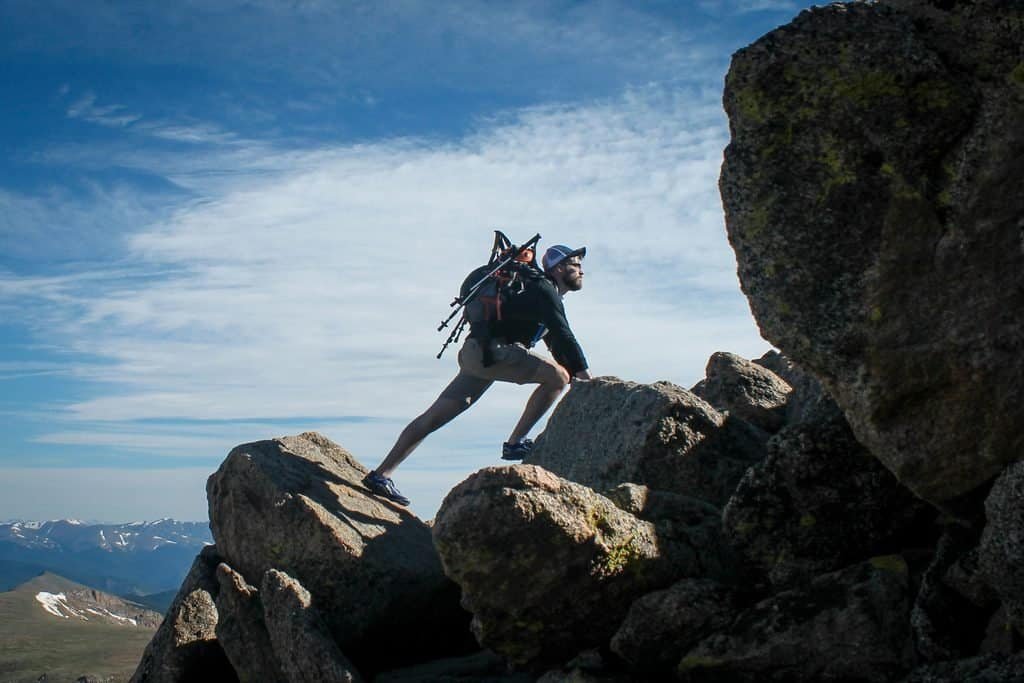
- Top Destinations: Rocky Mountain National Park (Bear Lake & Sky Pond), Maroon Bells–Snowmass Wilderness (Aspen), and Mount Elbert (Sawatch Range).
- Why Try It: Colorado is famous for its 14,000-foot-plus mountain peaks, commonly known as “14ers.” Tackling one of these high-altitude giants is a classic challenge for hikers. For those seeking less extreme terrain, miles of sub-alpine trails wind past turquoise glacial lakes, cascading waterfalls, and dense pine forests, offering world-class day hiking across the Front Range, San Juan, and Elk mountain ranges.
- What to Expect: Trails range from well-maintained, family-friendly loops around alpine lakes to grueling high-altitude ascents involving steep scree fields and exposed rock scrambles.
- Practical Planning & Safety: Altitude sickness can affect anyone, regardless of fitness. If you’re travelling from a low elevation, allow time to acclimatise and avoid ascending too quickly. Start early, aim to be off exposed ridges and summits before afternoon storms develop, and turn back if the weather deteriorates. Carry suitable layers, sturdy footwear and enough water, and check official trail conditions before setting out.
2. Gold-Nugget Prospecting & Electronic Metal Detecting

- Top Destinations: Central Colorado Gold Belt (Chaffee County & Cache Creek), the Front Range foothills (Clear Creek), and the San Juan Mountains (Silverton & Ouray).
- Why Try It: Grounded in the 1858–59 Pikes Peak Gold Rush, Colorado’s streams and mountain gulches have a rich history of mineral wealth. Outdoor enthusiasts often combine backcountry exploration with recreational panning or electronic metal detecting, researching historic gold-producing areas to connect directly with western history.
- What to Expect: Gold prospecting can involve panning, searching for suitable gravel deposits, or using a metal detector designed to find small gold nuggets. Research the local geology first, and check land ownership, active claims, and site-specific restrictions before digging or collecting anything.
- Practical Planning & Safety: Recreational mineral collecting may be permitted on eligible BLM or USFS land, but the rules depend on the specific location, land status, and type of activity. Active mining claims, protected areas, and restrictions on surface disturbance can affect what’s allowed. Historic and archaeological artifacts must be left undisturbed. Always verify land status using official resources like the BLM Mineral & Land Records System (MLRS) and consult designated site maps (such as the Cache Creek Placer Area map) before prospecting.
3. Whitewater Rafting and Fly Fishing on Mountain Rivers
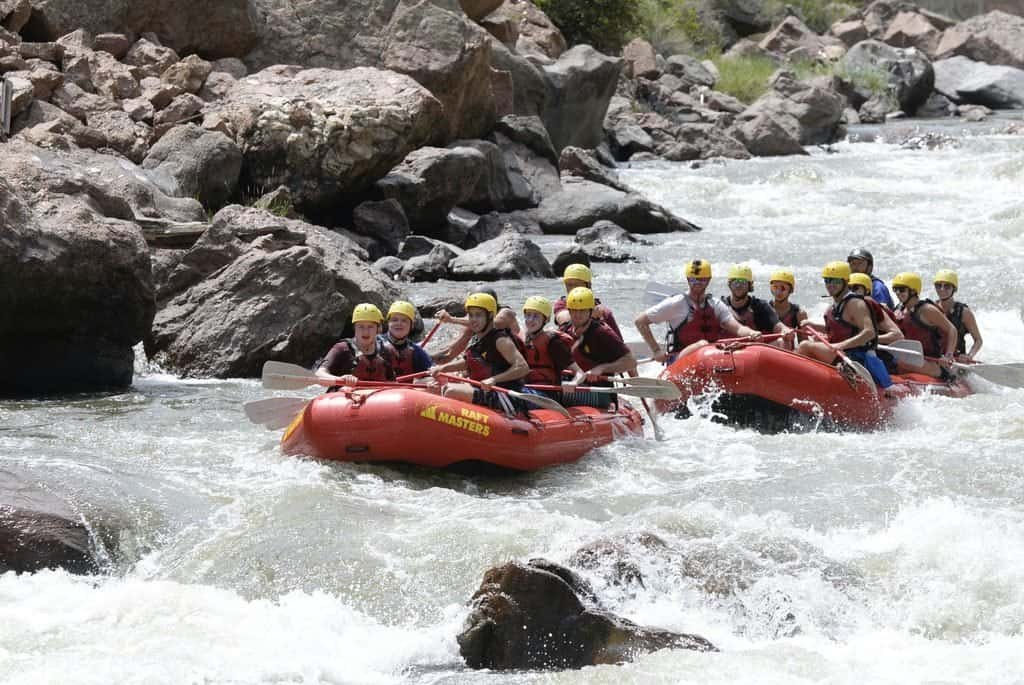
- Top Destinations: The Arkansas River (Browns Canyon National Monument & Royal Gorge), the Upper Colorado River, and the Animas River
- Why Try It: Fed by seasonal snowmelt from the Rockies, Colorado’s river systems fuel world-class water sports. Adventure seekers can paddle through roaring Class III–V rapids cut deep into granite canyons, while anglers can fish for trout in designated “Gold Medal” waters, an official state designation recognising exceptional trout production and opportunities to catch larger fish.
- What to Expect: Commercial rafting trips range from scenic, gentle float trips suitable for families to heart-pounding whitewater runs. Fly fishing guides offer both wading and float-trip experiences across pristine mountain streams.
- Practical Planning & Safety: Peak runoff often occurs in late May and early June, although timing and river levels vary from year to year. High flows can make rafting more challenging, so choose a trip suited to your experience and check current river conditions before setting out. Water remains cold even in summer, making appropriate protective clothing and a properly fitted personal flotation device (life jacket) important.
4. Scenic Highway Drives and High-Pass Touring
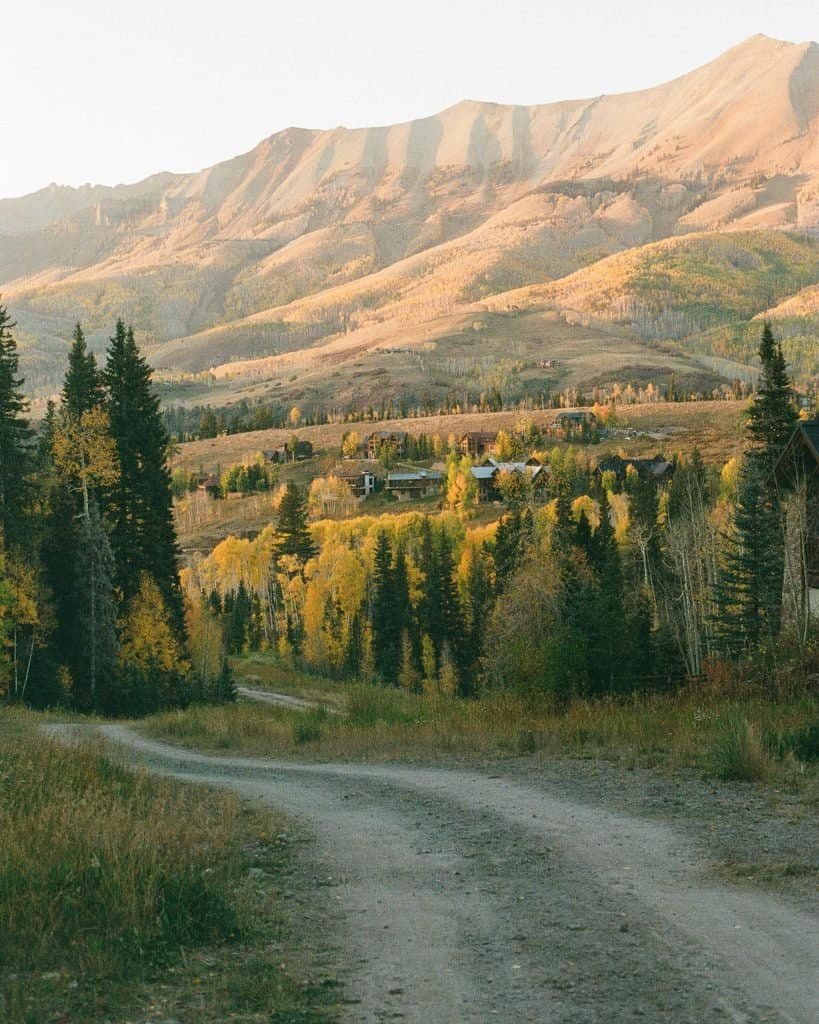
- Top Destinations: Trail Ridge Road (Rocky Mountain National Park), the Million Dollar Highway (San Juan Skyway between Ouray and Silverton), and Independence Pass (near Aspen).
- Why Try It: If you want to take in massive mountain panoramas without strenuous backcountry trekking, Colorado’s scenic byways offer an unforgettable way to travel. These engineering marvels carry drivers high above the tree line to sweeping alpine tundra overlooks, historic mining ruins, and vibrant gold-and-orange aspen forests during the autumn season.
- What to Expect: Mountain driving features winding switchbacks, steep grades, and breathtaking drop-offs. Viewing wildlife—such as bighorn sheep, elk, and marmots—is common along high-elevation passes.
- Practical Planning & Safety: Trail Ridge Road and Independence Pass are seasonal routes, with winter closures that can last several months. Trail Ridge Road normally closes to through traffic from mid-October to late May, while Independence Pass typically closes in late October or early November and reopens in late May. Weather can affect these dates, so check current conditions on the official park website or Colorado’s COtrip road-information service before setting off.
5. Soaking in Natural Geothermal Hot Springs
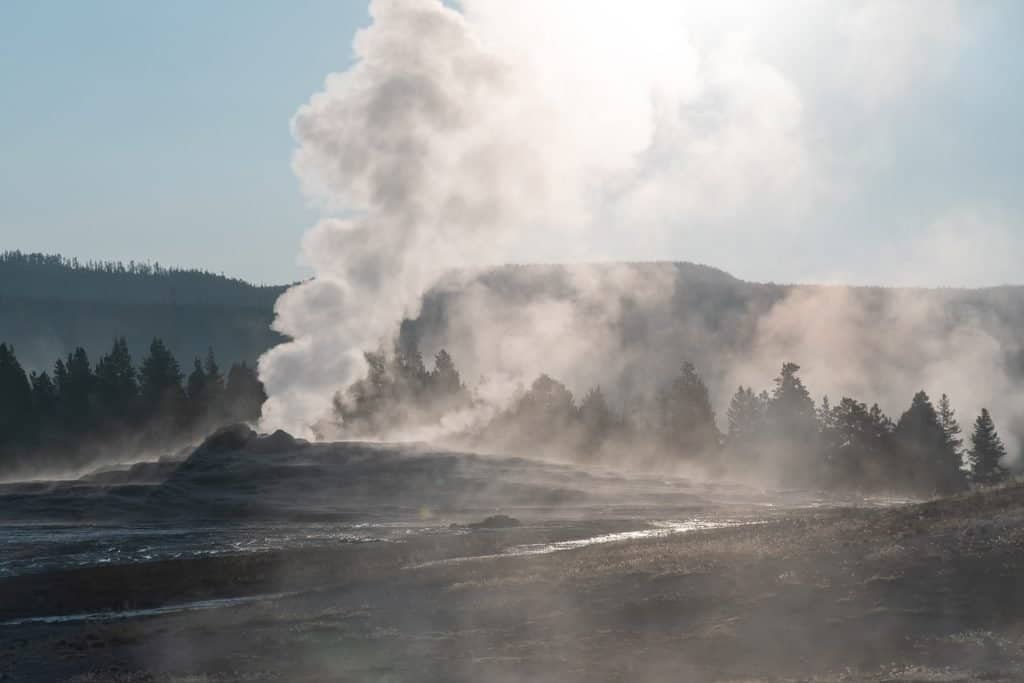
- Top Destinations: Glenwood Hot Springs (Glenwood Springs), Strawberry Park Hot Springs (Steamboat Springs), and Mount Princeton Hot Springs (Nathrop).
- Why Try It: Thanks to underlying geothermal activity beneath the Rocky Mountains, Colorado is dotted with natural mineral hot springs. Soaking in warm mineral waters surrounded by mountain scenery or forest is a relaxing way to unwind after a day of hiking, skiing, or exploring.
- What to Expect: Hot spring destinations range from historic, full-service resort pools with modern amenities to rustic, natural rock-walled soaking pools tucked deep into the forest.
- Practical Planning & Safety: Water temperatures vary between hot springs and individual pools, so check posted temperatures and follow the facility’s safety guidance. Stay hydrated and avoid prolonged soaking in very hot water. Reservations may be required, particularly at popular facilities and during busy periods, so check the venue’s website before travelling.
Tips for Planning Your Trip
- Respect the Season: Summer (July through August) provides optimal access for high-country hiking, camping, and pass driving, while early autumn (September through October) brings cool weather and peak fall foliage.
- Know the Rules: Public land management in Colorado is a patchwork of Federal (NPS, USFS, BLM), State, and private holdings. Always research local regulations, obtain required permits, practice Leave No Trace ethics, and double-check land boundaries before heading into the backcountry.