
From sweeping red-rock formations and high-alpine pine forests to sun-scoured desert washes, Arizona is an extraordinary playground for outdoor enthusiasts.
Because Arizona’s landscape spans multiple climate zones, it offers memorable adventures that take full advantage of its distinct terrain and year-round sunshine.
Whether you want to hike deep into ancient gorges, paddle desert rivers, or track down hidden gold nuggets, here are five of the best outdoor activities to experience in Arizona.
Page Contents
1. Hiking and Red-Rock Adventures in Sedona
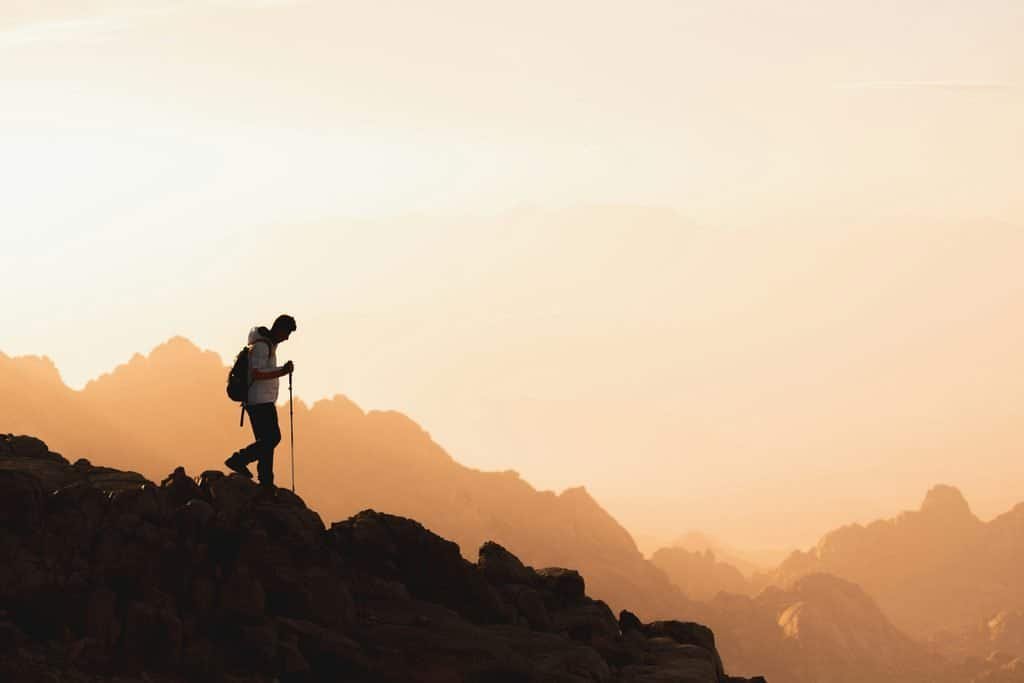
- Best Spots: Devil’s Bridge, Cathedral Rock, and Oak Creek Canyon’s scenic trails.
- Why Do It: Sedona is world-famous for its striking crimson sandstone monoliths and towering spires. Hiking here puts you right up close to some of the most photogenic geology in the Southwest. Trails range from short, steep scrambles like Cathedral Rock to rewarding treks leading to massive natural sandstone arches like Devil’s Bridge. Locally, the surrounding area is also widely celebrated for its scenic beauty and spiritual culture, including sites often associated with local beliefs regarding energy vortexes.
- Practical Tip: Sedona trailheads experience heavy congestion, particularly during spring and autumn weekends. Check parking availability, utilize local shuttle systems where operational, start your hikes early at sunrise to beat both the heat and crowds, and carry ample water and sun protection.
2. Whitewater Rafting & Inner-Gorge Exploration at the Grand Canyon
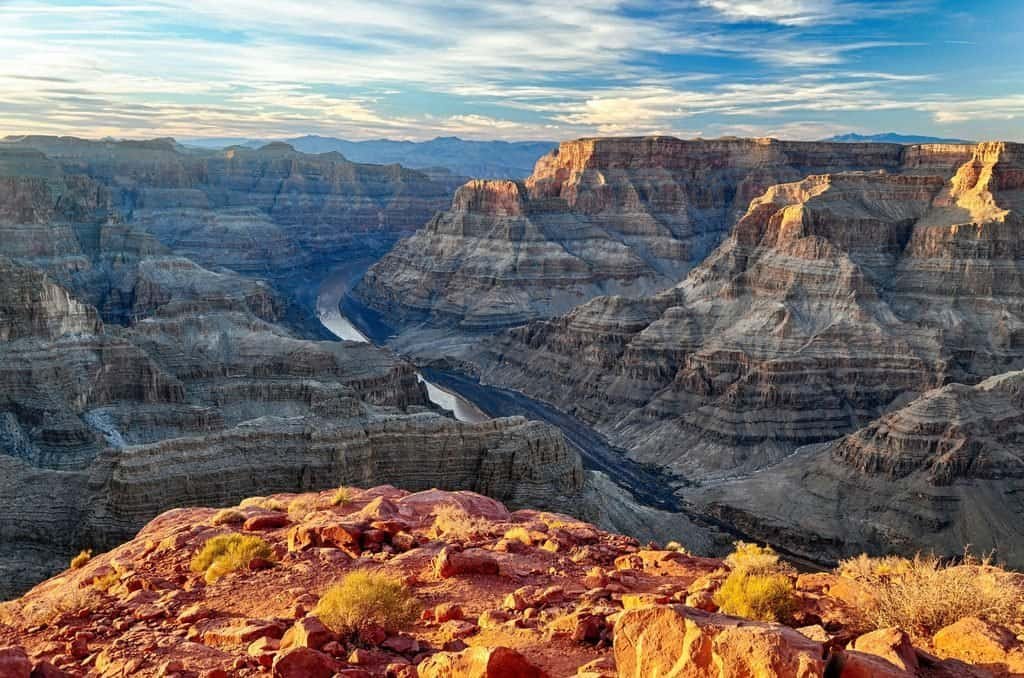
- Best Spots: The Colorado River corridor through Grand Canyon National Park.
- Why Do It: Seeing the Grand Canyon from the rim is breathtaking, but experiencing it from the base of the inner gorge via a multi-day whitewater rafting trip is a true bucket-list adventure. Navigating legendary, heart-pounding rapids like Lava Falls and Crystal Rapid on the Colorado River beneath towering walls of ancient rock formations—including some layers nearly two billion years old—provides an unmatched perspective of this natural wonder.
- Practical Tip: Private noncommercial trips require substantial planning, suitable equipment, and experienced river-running skills. Visitors without that experience can book a commercial guided expedition. Keep in mind that river permits and commercial slots often require long-term planning.
3. Gold-Nugget Detecting and Desert Prospecting

- Best Spots: Rich Hill & Weaver Mining District, Quartzsite placer districts, and the Wickenburg desert washes.
- Why Do It: Arizona has a storied legacy of western mining and frontier exploration. Rather than traditional recreational coin-shooting in public turf parks, outdoor enthusiasts with an interest in history and electronics often take up gold-nugget detecting. Swinging a specialized electronic metal detector across open desert bajadas and historical placer ground combines rugged outdoor hiking with the unique thrill of hunting natural Arizona gold. Read our article on metal detecting for gold in Arizona here.
- Practical Tip: Land status is critical. Being on public land does not automatically grant permission to prospect or collect; you must verify that you are on eligible open ground (such as open BLM tracts) and check active mining claims beforehand. Check the rules for each land manager, as metal detecting is generally prohibited in Arizona State Parks and National Parks.
4. Tubing, Kayaking, and Boating Arizona’s Desert Rivers
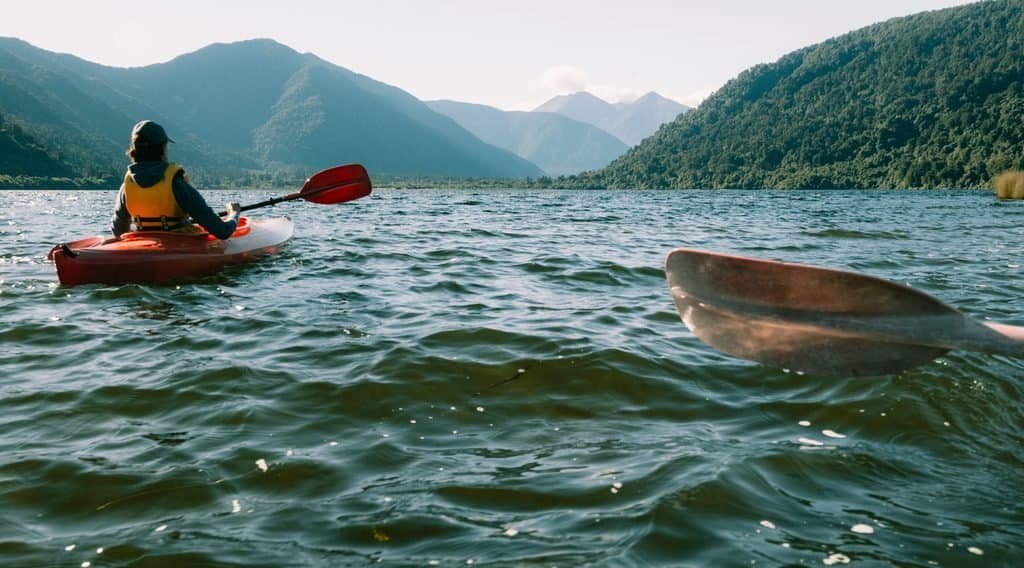
- Best Spots: The Lower Salt River (near Phoenix) and the Verde River.
- Why Do It: When desert temperatures climb, hitting the water is a quintessential local pastime. Tubing down the lower Salt River lets you float lazily past towering canyon walls while frequently spotting free-roaming Salt River horses grazing along the shady banks. For a more active day on the water, kayaking the Verde River or boating on desert reservoirs like Lake Pleasant offers a peaceful, wildlife-rich escape from the arid heat.
- Practical Tip: Water levels, flow rates, and access points fluctuate seasonally. Always check local river conditions before heading out, wear a properly fitted personal flotation device (PFD), and pack broad-spectrum, water-resistant sunscreen and plenty of electrolyte hydration.
5. Stargazing in International Dark Sky Communities
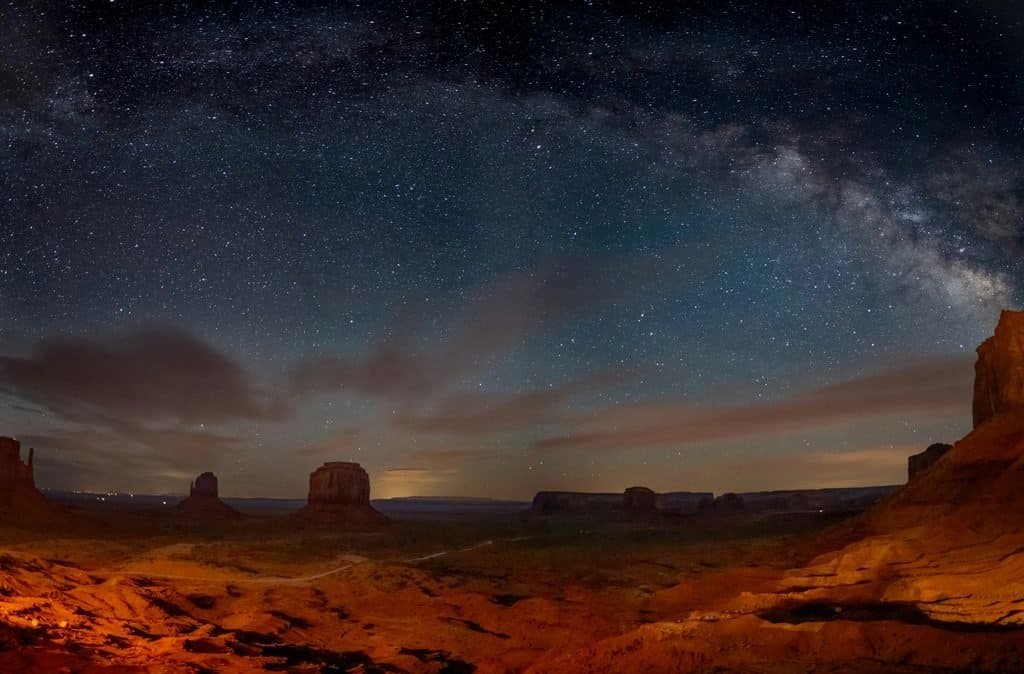
- Best Spots: Flagstaff, Oracle State Park, and the Grand Canyon South Rim.
- Why Do It: Arizona’s dry climate and several designated International Dark Sky communities and parks make it an excellent destination for stargazing, anchored by locations like Flagstaff (the world’s first designated International Dark Sky City) and Oracle State Park. Once the sun dips below the horizon, the desert and mountain skies light up, revealing thousands of stars under suitably dark, clear conditions, along with the vivid band of the Milky Way arching overhead.
- Practical Tip: High-elevation hubs like Flagstaff (sitting at nearly 7,000 feet) can get surprisingly chilly at night even after a warm daytime forecast, so always pack warm layers if you plan on late-night stargazing or astrophotography.
Choosing Your Adventure
With options ranging from high-energy river rapids and rugged mineral prospecting to peaceful canyon floats and quiet dark-sky viewings, your ideal activity will depend on your physical fitness, available time, and tolerance for the desert climate.
Always check current weather forecasts and local land management guidelines before setting out on any Arizona outdoor excursion.