
When people picture Alaska, they often think of towering glaciers, midnight sun, majestic wildlife, and rugged frontier wilderness.
But beyond the typical tourist postcard lies an outdoor playground unlike anywhere else in the world.
If you are looking to break out of your routine, here are 5 outdoor hobbies to dive into across the Last Frontier—and everything you need to know to get started.
Page Contents
1. Metal Detecting & Historic Relic Hunting
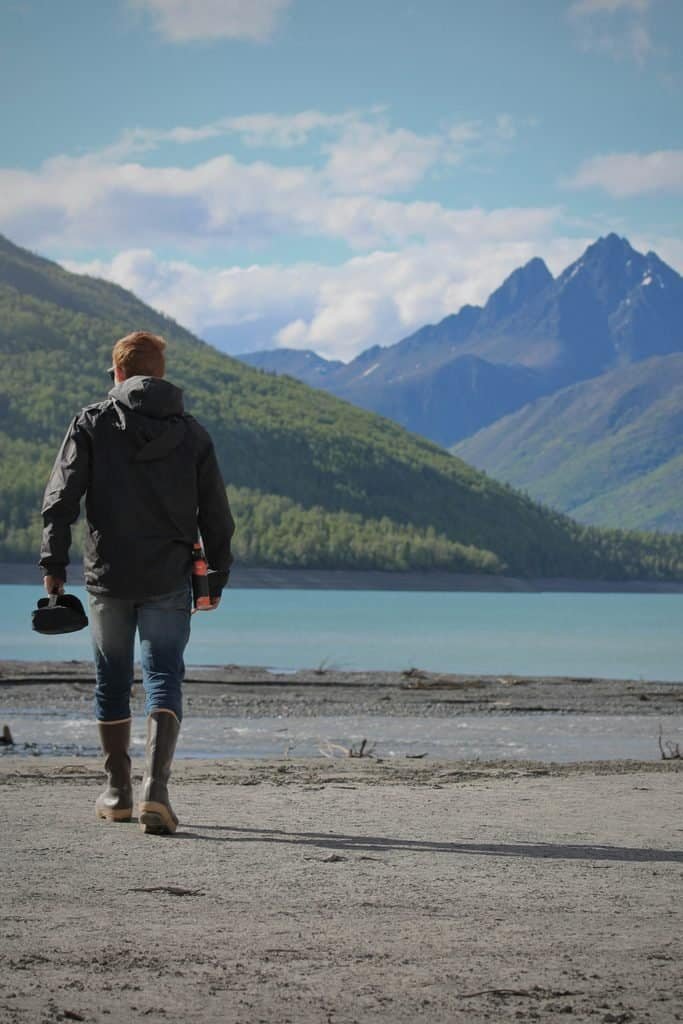
- Why Try It: While much of Alaska’s deep history is tied to gold rushes and indigenous heritage, coastal areas, old ghost towns, and historic homestead sites hold a surprising array of lost relics, old trade items, and modern beach drops. It combines historical research with the physical excitement of the hunt. Be sure to check out my detailed guide on the best places to metal detect and prospect in Alaska for specific agency-supported locations, gold opportunities, and legal frameworks.
- Where to Go: Public beaches around Nome, historical corridors along interior highways, and non-restricted public lands where casual surface use is permitted. (Remember that National Park Service lands and State Parks strictly ban metal detecting.)
- Getting Started: Begin with an entry-level VLF metal detector, a digging tool suitable for rocky soil, and a pinpointer. Always practice responsible detecting ethics: pack out all trash, respect cultural resources, and completely backfill your holes.
2. Coastal Tidepooling & Marine Beachcombing
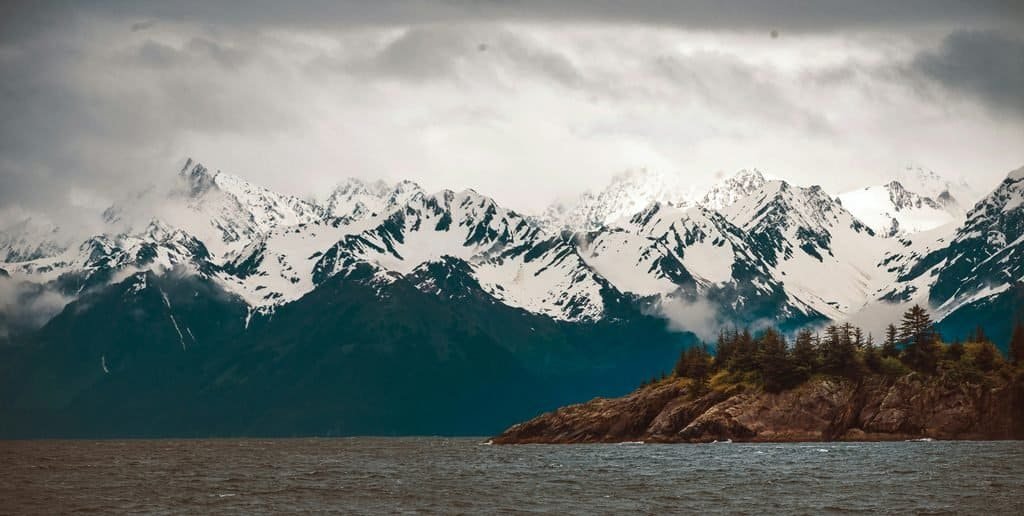
- Why Try It: Alaska boasts over 30,000 miles of rugged, dynamic coastline shaped by extreme tidal shifts. Exploring the intertidal zone at low tide reveals a vibrant, hidden world of colorful sea stars, giant anemones, chitons, and nesting shorebirds, paired with the chance to find unique natural driftwood and glass floats washed ashore by North Pacific currents.
- Where to Go: The rocky beaches of Kachemak Bay near Homer, Kenai Peninsula coastal zones, or the tidal flats around Southeast Alaska.
- Getting Started: Check local tide tables carefully before heading out—Alaska’s incoming tides can strand explorers quickly. Pack a pair of sturdy, waterproof rubber boots, a tide chart app, and a field guide to marine invertebrates.
3. Glacier Hiking & Ice Exploration
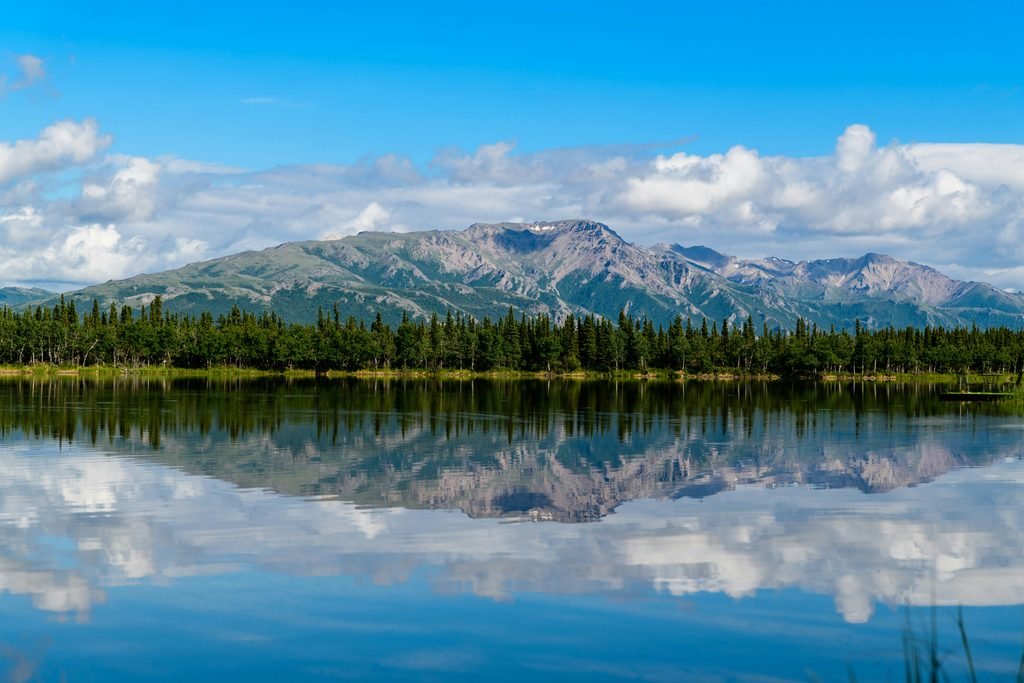
- Why Try It: Alaska is home to an estimated 27,000 glaciers, making it one of the few places on Earth where everyday adventurers can walk across ancient rivers of blue ice and experience active glaciers up close.
- Where to Go: Easily accessible trailheads like the Exit Glacier near Seward, or guided ice-trekking excursions on the Matanuska Glacier north of Anchorage.
- Getting Started: While some terminal viewpoints are accessible via standard hiking trails, stepping onto active ice requires proper safety equipment. Rent or purchase microspikes or crampons, wear layered synthetic clothing, and consider hiring a certified local guide for safe crevasse navigation.
4. Backcountry Packrafting & River Floating
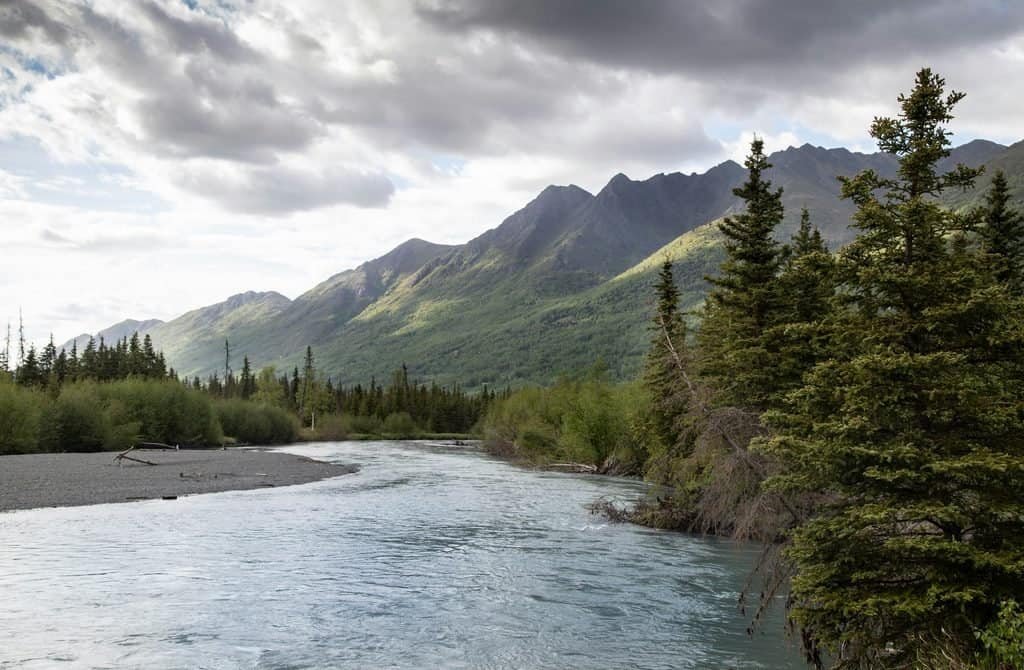
- Why Try It: In a state with millions of lakes and thousands of miles of wild rivers—and very few roads—rivers are the true highways of the backcountry. Packrafting (using lightweight, inflatable rafts that pack down into a backpack) allows adventurers to combine rugged alpine hiking with thrilling river descents.
- Where to Go: Explore interior taiga streams, scenic Kenai Peninsula rivers, or classic wilderness water routes across Southcentral Alaska.
- Getting Started: Rent a packraft from an outdoor outfitter in Anchorage or Fairbanks. Invest in a quality personal flotation device (PFD), a dry suit or proper cold-water paddling gear, and always study local river currents and weather forecasts before launching.
5. Wildlife Viewing & Wilderness Birding
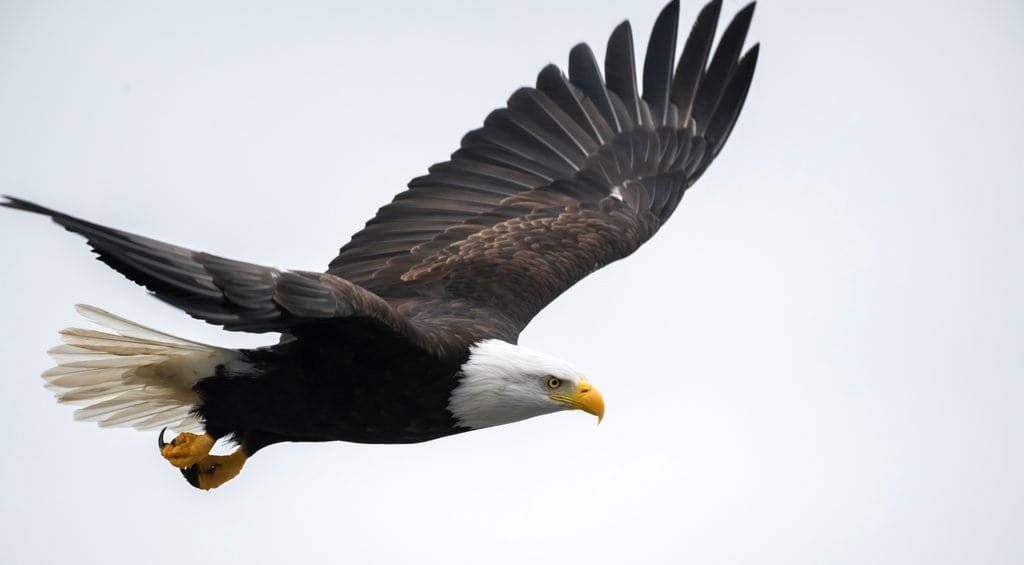
- Why Try It: Alaska sits along major global migratory bird flyways and boasts massive populations of iconic megafauna, including bald eagles, moose, caribou, and brown bears. Slower-paced outdoor hobbies like wildlife photography and birding challenge you to observe subtle details in pristine wilderness ecosystems.
- Where to Go: The Kenai National Wildlife Refuge, Denali National Park roadside pullouts, and coastal tidal flats around Anchorage and Homer.
- Getting Started: All you need is a reliable pair of binoculars (an 8×42 configuration is ideal for beginners) and a telephoto lens or camera. Always maintain a safe, respectful distance from wildlife and carry bear spray when exploring the backcountry.
Whether you’re exploring marine tidepools along the coast, hiking across a brilliant blue glacier, or sweeping a historic beach for lost treasures, there is no shortage of ways to experience Alaska’s incredible outdoors.
Pick one that piques your curiosity, gear up safely, and start exploring!
Legal Disclaimer & Responsible Detecting Notice
- Verification of Local Laws: Regulations regarding metal detecting, permitting, and land access are subject to change. While FindingMetal.com makes every effort to ensure the accuracy of local information, it is solely the reader’s responsibility to verify current laws, municipal ordinances, boundary lines, active mining claims, and specific property rules directly with the appropriate local, state, or federal land-management agencies before beginning any detecting or prospecting activity.
- Private Property: Never enter or detect on private land without express, prior permission from the landowner.
- Leave No Trace: Practice responsible detecting ethics by using appropriate recovery tools, completely backfilling all target holes to natural grade, packing out all trash and scrap metal, and respecting cultural and natural resources.